DISCOVER

UNIQUENESS

PRESERVING VALUES, INSPIRING MINDS

Mathakondapalli Model School: Browsing 27 Years of Child-Centric Model in a 21st-Century Framework

  • The Foundations:

    A Commitment to Child Rights and Quality Learning

  • Milestones of Excellence:

    27 Years of Transformative Growth

  • The 21st-Century Evolution:

    Innovation Without Compromise

NEW ERA OF LEARNING!

  • In today’s rapidly evolving educational landscape, the Mathakondapalli Model School (MMS) initiative marks a transformative step toward redefining how learning is delivered, experienced, and sustained. MMS is not just a School—it’s a philosophy that embraces innovation, inclusivity, and relevance in education.

Latest Post
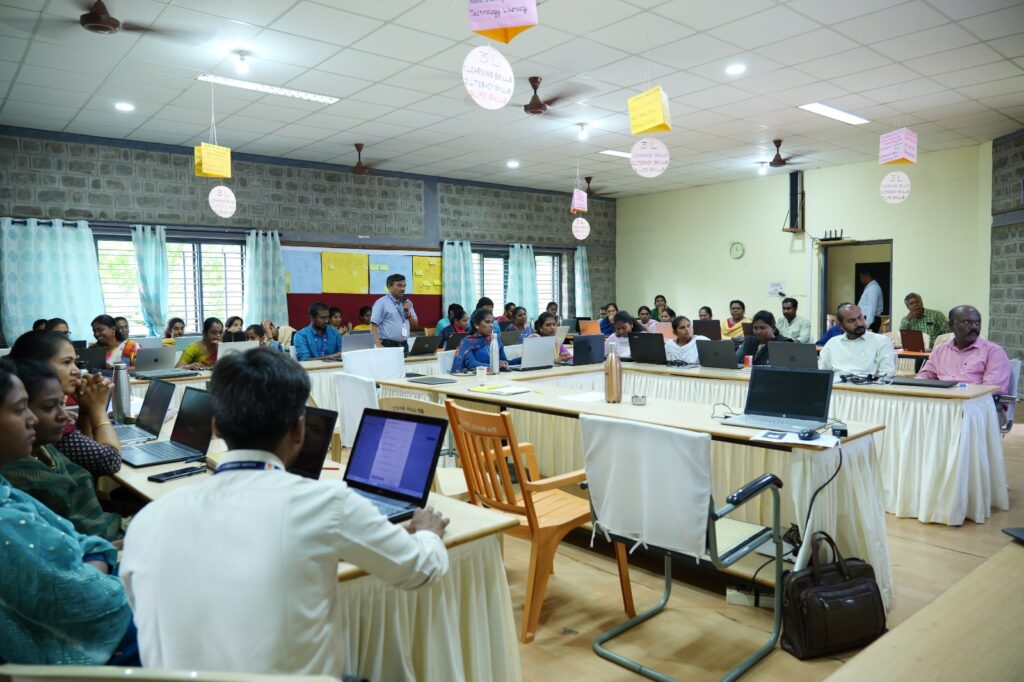
March 30, 2026Empowering Classrooms through Universal Design for Learning (UDL) and Differentiated Instruction (DI) Our Vision is Our Belief At MMS, we strongly believe: “All children have equal rights to have a quality life.” This belief drives everything we do. Education, for us, is not just about delivering content it is about creating opportunities, removing barriers, and empowering every learner to succeed. Our Mission in Action Our mission: “To develop models in education and enhance the capacity of individuals, families, organisations, and communities.” In alignment with this vision, MMS has established the Educational Research, Training and Development Unit (ERTDU) a platform that enables us to: Develop innovative educational practices, Support teachers within and beyond our school, and Conduct workshops and training programmes on contemporary pedagogies. Through ERTDU, we are continuously striving to transform teaching and learning practices. A Step Towards Transforming Classrooms As part of this initiative, I had the opportunity to serve as a resource person and conduct an introductory workshop on Universal Design for Learning (UDL) and Differentiated Instruction (DI). This session was conducted for B.Ed students of CK College on 25 March 2026 at LC7, MMS. The objective of the workshop was to help future educators understand how to: Design inclusive classrooms, Address diverse learner needs, and Create meaningful and engaging learning experiences. Why This Matters As our respected Secretary often emphasises: “21st-century children are taught by 20th-century teachers in a 19th-century classroom.” This reality calls for transformation. Through approaches like UDL and Differentiated Instruction, we are working towards: Making classrooms more inclusive, Adapting teaching to student needs, and Moving from traditional teaching to learner-centred education. Impact of the Workshop The workshop provided a platform for budding teachers to reflect, engage, and rethink their approach to teaching. It was encouraging to witness: Active participation, Thoughtful discussions, and A growing awareness of inclusive teaching practices. Most importantly, the session helped ignite the spirit of innovation among future educators. A Note of Gratitude I sincerely thank our Secretary for his constant guidance, the management for their support, and the Principal and Vice Principal for their encouragement. I am equally grateful to my colleagues for their collaboration and inspiration throughout this journey. Looking Ahead Shaping budding teachers today will shape countless achievers tomorrow. Through consistent effort, meaningful training, and a strong vision, we aim to build educators who transform classrooms and impact lives. Conclusion This initiative is more than a workshop it is a step towards building a future where every learner is valued, every teacher is empowered, and every classroom is inclusive. Prabakaran M STEAM Coordinator, MMS [...] Read more...
March 27, 2026BRIDGING THE GAP: THE VITAL ROLE OF CAPACITY BUILDING FOR BUDDING EDUCATORS The landscape of school education is no longer a static map of textbooks and chalkboards; it is a dynamic, rapidly evolving ecosystem. As B.Ed. students stand on the threshold of their professional journeys, the transition from “student” to “teacher” requires more than just a degree. It requires a robust toolkit of modern competencies. The Changing Face of the Classroom Today’s school education is defined by integration, integrating technology, emotional intelligence, and inclusive pedagogies. We are moving away from rote memorization toward Competency-Based Education (CBE) and Social-Emotional Learning (SEL). For a new teacher, stepping into this environment without specific “capacity building” is like trying to navigate a new city without GPS. Why Capacity Building Cannot Wait Capacity building programmes serve as the essential “finishing school” for teachers. Here is why they are critical for immediate success post-graduation: Technological Fluency: Modern classrooms utilize Learning Management Systems (LMS) and AI-driven tools. Practical workshops allow students to master these before their first day on the job. Adaptive Pedagogy: Understanding how to pivot a lesson plan for diverse learners is a skill best honed through simulated environments and expert-led seminars. Professional Resilience: New teachers often face “burnout” in their first year. Capacity building provides the mental frameworks and classroom management strategies to handle real-world pressures. A Reflective Success: The MMS Experience Recently, Mathakondapalli Model School, Hosur conducted a specialized capacity building programme tailored for B.Ed. college students from Cuddalore. It was an inspiring experience to work alongside these budding teachers. The energy in the room underscored a fundamental truth: passion is the engine, but preparation is the steering wheel. During the sessions, we explored the nuances of the changing educational landscape. Watching these future educators engage with new methodologies and shift their mindsets in real-time was a testament to the power of targeted professional development. They didn’t just leave with information; they left with the confidence to start their careers the moment they stepped off the convocation stage. The Way Forward For B.Ed. colleges, the message is clear: the curriculum provides the foundation, but capacity building provides the infrastructure. By investing in these programmes, we ensure that our graduates aren’t just looking for jobs, they are ready to lead classrooms from Day One. Meru The Secretary Rice MMS [...] Read more...
March 23, 2026CBSE Curriculum Changes 2025–26: How Mathakondapalli Model School Aligns with NEP 2020 for Future-Ready Education Introduction: Transforming Education for the Future The Indian education system is witnessing a significant transformation under the guidance of the National Education Policy (#NEP2020), with the Central Board of Secondary Education (#CBSEcurriculumchanges2025) implementing progressive reforms in curriculum and assessment. These reforms shift the focus from rote memorisation to conceptual understanding, skill development, and holistic growth. At Mathakondapalli Model School (#MMSHosur), ranked among the #bestCBSEschoolinHosur, we have aligned our academic framework with CBSE reforms and NEP 2020 to build a future-ready, student-centric learning ecosystem. Our approach integrates #competencybasededucationIndia, experiential learning, and data-driven academic monitoring, ensuring every child receives meaningful and relevant learning experiences in #educationinHosur. CBSE Curriculum Changes 2025–26: Key Highlights 1. Flexible Mathematics Pathways in Class X CBSE continues to provide flexibility through two Mathematics options Basic Mathematics (Code 241), suitable for students not pursuing Mathematics-intensive careers, and Standard Mathematics (Code 041), required for higher studies in Science, Engineering, and related fields. This allows students to choose based on interest, aptitude, and future aspirations, reducing academic pressure and improving learning outcomes. At MMS, continuous academic tracking, performance analysis, and personalised counselling ensure each learner selects the most appropriate pathway, reflecting NEP 2020’s emphasis on student choice and flexibility. 2. Competency-Based Learning Across Subjects One of the most important CBSE reforms is the shift towards #competencybasedassessmentpattern. This approach focuses on application of knowledge, analytical and critical thinking, real-world problem solving, and conceptual clarity. In subjects such as Science and Social Science, students engage in experiential and inquiry-based processes. At MMS, this transformation is practised through Project-Based Learning, Experiential Learning, and interdisciplinary teaching strategies — where students design experiments, conduct field studies, analyse data, and present findings, making learning active and deeply rooted in understanding. 3. Assessment Reforms: A Continuous and Comprehensive Approach CBSE maintains the structure of 80% Board Examination (Theory) and 20% Internal Assessment. Internal assessment now includes periodic tests, subject enrichment activities, projects, assignments, and practical work — promoting continuous evaluation and reducing dependency on a single high-stakes examination. At MMS, assessment is a learning tool that is competency-based, outcome-oriented, aligned with Bloom’s Taxonomy, and supported by data analytics. Structured academic dashboards enable teachers to provide timely interventions and personalised support for every student, featuring a #holisticprogresscard approach. 4. Skill-Based Education and 21st-Century Competencies In alignment with NEP 2020, CBSE promotes skill-based education covering Artificial Intelligence, Coding and Robotics, Digital Literacy, and Vocational Skills. At MMS, these elements are integrated into our academic ecosystem, building essential 21st-century competencies — creativity and innovation, critical thinking and problem-solving, communication and collaboration, and digital and technological literacy — ensuring students are academically strong, future-ready, and adaptable. 5. Holistic Progress Card (HPC): Redefining Student Evaluation The Holistic Progress Card introduced under NEP 2020 evaluates students across the cognitive, affective, socio-emotional, and psychomotor domains in a single holistic framework. While HPC is currently implemented in foundational and preparatory stages, MMS extends its philosophy across all grade levels through an evaluation framework that includes academic achievement, co-scholastic activities (sports, arts, cultural participation), and behavioural and value-based indicators — ensuring a 360-degree understanding of each child beyond marks. MMS Hosur: Leading NEP 2020 Implementation At Mathakondapalli Model School, NEP 2020 is not merely adopted — it is operationalised through structured systems and research-driven practices. Through our Educational Research Training and Development Unit (ERTDU), we develop competency-based curriculum frameworks, conduct teacher capacity-building programmes, implement data-driven academic monitoring systems, integrate AI and technology into teaching and learning, and establish national and global academic collaborations. This positions MMS as an Academic Intelligence and Research Hub, bridging school education with advanced educational practices and global standards. Real-World Impact at MMS In the 2024–25 session, Grade 8 students applied AI concepts to design a sustainable water-conservation model that won the state-level innovation award, demonstrating how our competency-based approach translates classroom learning into tangible outcomes. Such achievements reflect the strength of our integrated curriculum, where theoretical knowledge meets practical application, and students are empowered to solve real-world problems with confidence and creativity. The Role of Parents in a Changing Educational Landscape The success of CBSE reforms and NEP 2020 depends on strong collaboration between schools and parents. At MMS, we view parents as active partners in the learning process — supporting project-based and experiential learning, helping students make informed subject choices, ensuring a balanced routine across academics, sports, arts, and well-being, and staying connected with teachers to monitor progress. Why These Reforms Matter for Students The CBSE curriculum changes aligned with NEP 2020 are designed to fundamentally improve how students learn. These reforms ensure students understand concepts deeply rather than memorising content, develop real-world skills and independent critical thinking, and build confidence, creativity, and adaptability for higher education, competitive examinations, and global career opportunities — while shaping them into responsible, value-driven individuals. Conclusion: Building the Future at MMS The CBSE curriculum reforms for 2025–26 mark a significant step towards holistic, competency-based, and future-oriented education. At Mathakondapalli Model School, Hosur, we are committed to implementing these reforms in their true spirit. Through data-driven systems, experiential learning, skill integration, and the #CBSEassessmentpattern and #holisticprogresscard framework, MMS creates a learning environment where every child can thrive. With the continued support of parents and the dedication of our educators, we are confident in nurturing future-ready learners who are academically strong, socially responsible, and globally competent. Meru The Secretary RICE MMS [...] Read more...
March 10, 2026Artificial Intelligence in Classrooms: How Mathakondapalli Model School (MMS), Hosur is Preparing Students for the Future Introduction: The Rise of Artificial Intelligence in Education Education is entering a new phase of transformation with the rapid growth of Artificial Intelligence (AI). Technologies such as ChatGPT, AI learning assistants, adaptive tutoring systems, and intelligent educational platforms are changing how students learn, how teachers teach, and how knowledge is accessed. For generations, learning involved reading textbooks, writing notes, discussing with teachers, and exploring libraries to understand concepts. While this process required time and effort, it helped students develop critical thinking, analytical reasoning, and independent learning skills. Today, however, a single prompt to an AI system can generate explanations, essays, summaries, and problem-solving strategies within seconds. While this makes learning more efficient, it also raises an important educational question: If artificial intelligence provides the answers, are students still learning how to think? At Mathakondapalli Model School (MMS), Hosur, we believe that AI should not replace thinking but enhance intellectual growth, creativity, and conceptual understanding among students. Artificial Intelligence: A Tool, Not a Substitute for Learning Artificial intelligence has enormous potential when used responsibly in education. AI-powered platforms can support students by: Explaining complex scientific or mathematical concepts in simpler ways Generating practice questions for revision Providing feedback on essays and language learning Helping students explore multiple perspectives on a topic Supporting students who hesitate to ask questions in the classroom In many ways, AI can function like a personal academic assistant available 24/7. However, there is also a risk of passive learning. When students copy answers generated by AI without analysing or understanding them, the learning process becomes superficial. Assignments may be completed quickly, but conceptual clarity may remain weak. Therefore, modern education must focus on teaching students how to use AI intelligently rather than depend on it blindly. Why AI Literacy is Essential for Students Artificial intelligence is already transforming industries such as technology, medicine, engineering, research, finance, and communication. Students who are currently in school will enter a world where AI will be integrated into most professions. For this reason, AI literacy has become an essential educational skill. Students must learn: How AI systems generate responses How to evaluate the accuracy of AI-generated information How to verify answers through multiple sources How to use AI ethically and responsibly Developing these skills ensures that students remain active thinkers rather than passive users of technology. The Role of Teachers in the AI Era Despite the growing presence of AI tools, teachers remain the most important part of education. AI can assist in generating lesson ideas, practice questions, or summaries. But effective teaching requires much more than information delivery. Teachers understand: The learning needs of individual students The emotional and psychological aspects of learning Curriculum standards and learning outcomes Classroom dynamics and engagement strategies A lesson generated by AI becomes meaningful only when a teacher can interpret it, adapt it, and guide students through it effectively. At Mathakondapalli Model School, we see AI as a supporting tool that strengthens teaching practices while preserving the central role of educators. How Mathakondapalli Model School (MMS) is Integrating AI into Education Mathakondapalli Model School, Hosur, has always focused on innovation in education, combining traditional academic values with modern learning methodologies. With the rise of artificial intelligence, MMS is preparing students and teachers for the AI-enabled future of education. 1. AI Awareness and Digital Literacy Students at MMS are being introduced to the fundamentals of AI technology. This includes understanding: What artificial intelligence is How AI tools generate responses The limitations and possible errors in AI-generated information Responsible use of AI in academic work This approach ensures that students use AI as a learning assistant rather than an answer-generating shortcut. 2. AI-Supported Conceptual Learning Artificial intelligence can enhance learning by helping students explore concepts more deeply. For example, students can use AI to: Clarify difficult concepts in science or mathematics Generate additional practice questions for revision Understand complex topics through simplified explanations Teachers guide students in analysing these responses, ensuring that conceptual understanding remains the primary goal. 3. AI Integration in Project-Based Learning Mathakondapalli Model School strongly emphasizes Project-Based Learning (PBL) and Experiential Learning, which encourage students to apply knowledge to real-world situations. AI tools can assist students in: Gathering information for research projects Analysing patterns or data Exploring innovative solutions to real-world problems However, the thinking, interpretation, and conclusions must always come from the students themselves. 4. Teacher Training in AI-Assisted Teaching To ensure responsible AI integration, MMS focuses on teacher capacity building. Teachers receive guidance on: Using AI tools for lesson planning Designing AI-assisted classroom activities Maintaining academic integrity in student assignments Encouraging critical evaluation of AI-generated content This ensures that technology enhances pedagogical effectiveness rather than weakening academic standards. 5. Ethical and Responsible AI Usage One of the most important aspects of AI education is ethical awareness. Students at MMS are encouraged to practice: Academic honesty in assignments Proper citation and referencing Responsible use of digital information Awareness of misinformation and AI limitations By emphasizing ethics and responsibility, MMS ensures that students develop digital maturity alongside technological skills. Balancing Technology and Human Thinking Artificial intelligence offers incredible possibilities, but education must maintain a balance between technology and human reasoning. Students must continue to develop essential intellectual abilities such as: Critical thinking Logical reasoning Creativity and imagination Independent research skills Problem-solving abilities Technology should support these skills rather than replace them. Preparing Students for the Future The future workforce will require individuals who can collaborate with intelligent systems while maintaining strong human reasoning abilities. At Mathakondapalli Model School, the goal is to prepare students who are: Digitally literate Conceptually strong Creatively confident Ethically responsible Technologically aware By integrating artificial intelligence responsibly into education, MMS aims to ensure that students are ready for the knowledge-driven world of the future. Conclusion: The Future of AI and Education Artificial intelligence is already part of modern education, and its influence will continue to grow. The real challenge for schools is not whether AI should be used, but how it should be used wisely. When guided properly, AI can expand learning opportunities, support struggling learners, and enhance teaching methods. At Mathakondapalli Model School (MMS), Hosur, we believe that the future of education lies in a thoughtful partnership between human intelligence and artificial intelligence. Technology will continue to evolve, but the true purpose of education will always remain the same to help children think, question, understand, and contribute meaningfully to the world. ERTDU [...] Read more...
February 28, 2026MMS Connect, February 2026Download [...] Read more...
February 26, 2026CBSE Class X Two Board Examinations from 2026: A Student-Friendly Reform for Holistic Academic Growth The Central Board of Secondary Education (CBSE) has introduced a significant and progressive reform in the assessment structure for Class X students, effective from the academic year 2026. This initiative, aligned with the vision of the National Education Policy (NEP 2020), marks an important step toward making board examinations more flexible, stress-free, and learner-centric. At Mathakondapalli Model School, we view this reform as a positive and empowering development for our students. Understanding the Two-Examination System Beginning in 2026, CBSE Class X students will have the opportunity to appear for two board examinations in the same academic year: First Examination (February) – Mandatory for all students Second Examination (May) – Optional improvement opportunity The February examination will be the primary board examination. The May examination will serve as an opportunity for students who wish to improve their performance in specific subjects. Importantly, the best score obtained between the two attempts will be considered for the final marksheet. This ensures that students are not penalized for attempting improvement and are encouraged to strive for better results with confidence. Reducing Stress and Promoting Confidence For many years, a single high-stakes board examination created considerable pressure on students. The introduction of a second opportunity significantly reduces this anxiety. Students no longer need to view the board examination as a “one-time chance.” Instead, they can approach it with greater composure, knowing that they have another opportunity to enhance their performance if needed. This reform promotes a growth mindset. It teaches students that improvement is always possible and that learning is a continuous process rather than a single event. Comprehensive Assessment with Internal Evaluation The internal assessment component continues to hold 20 marks and includes periodic tests, subject enrichment activities, and student portfolios. This encourages consistent academic engagement throughout the year rather than last-minute preparation. By strengthening internal assessments, CBSE reinforces the importance of regular participation, project work, assignments, and classroom interaction. This approach supports conceptual clarity and deeper understanding of subjects. Flexibility Without Academic Disruption Another student-friendly feature of this system is that students who appear for improvement examinations can continue their academic progression without interruption. Provisional admission to Class XI will be permitted while awaiting improvement results, ensuring there is no unnecessary academic gap. This thoughtful structure protects students’ academic continuity while offering them the opportunity to enhance their board performance. A Reform Aligned with 21st-Century Education The two-examination system reflects the evolving philosophy of education in India. Modern education emphasizes competency, understanding, flexibility, and well-being over rote memorization and exam fear. By providing multiple opportunities within the same academic year, CBSE acknowledges diverse learning speeds and student needs. This initiative supports: Reduced exam pressure Increased confidence and motivation Improved academic outcomes Greater fairness and transparency Holistic development of learners Our Commitment at MMS At Mathakondapalli Model School, we fully welcome this reform. We are committed to guiding our students and parents through this new structure with clarity and systematic planning. Our academic support systems, internal assessments, remedial strategies, and counseling mechanisms will be aligned to help students make the best use of both examination opportunities. We believe this reform will not only enhance academic performance but also nurture emotional resilience and confidence among our learners. Conclusion The introduction of two board examinations for Class X from 2026 is a forward-looking, student-centric reform. It transforms the examination system from a pressure-driven event into a supportive academic framework that values improvement and perseverance. As educators, we see this as a positive milestone in Indian education — one that empowers students, reduces stress, and promotes meaningful learning. We look forward to implementing this reform successfully and supporting our students in achieving their full potential. Joseph Jayraj Principal, MMS [...] Read more...
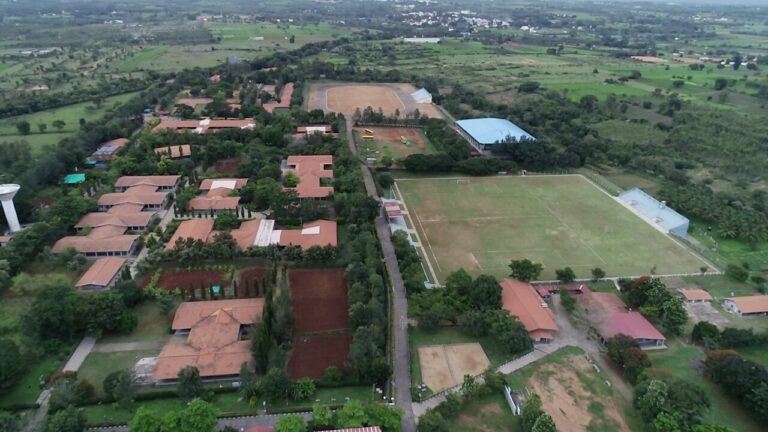
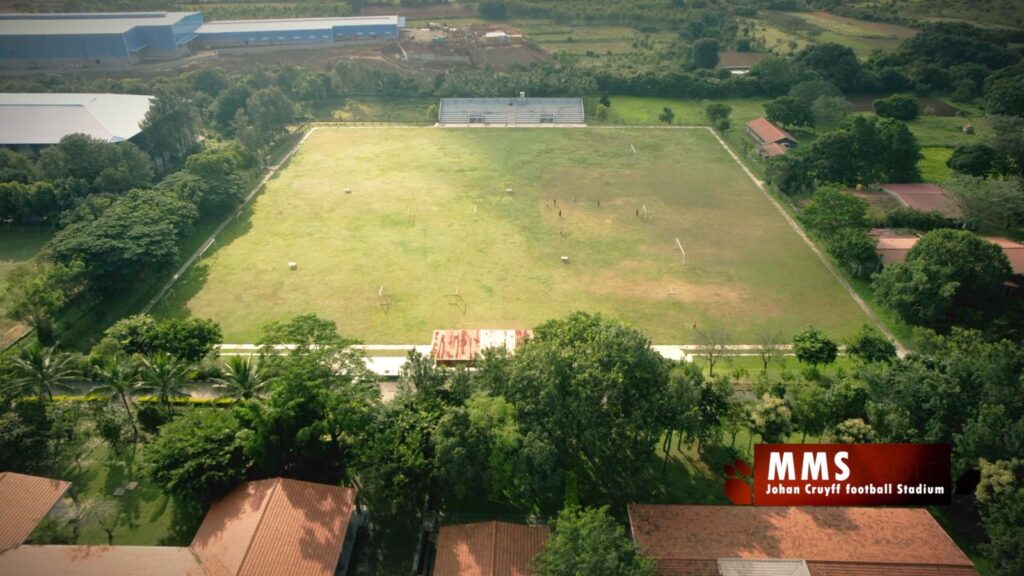
February 10, 2026UNIQUENES OF MATHAKONDAPALLI MODEL SCHOOL (MMS) Mathakondapalli Model School (MMS) – also known as RICE MMS or MM School – is a premier CBSE-affiliated (and NIOS) co-educational day-cum-residential school located on Thally Road, Mathakondapalli Post (via Hosur), Tamil Nadu – PIN: 635114. What sets MMS apart is not just the curriculum (which is mandated by the government for CBSE schools), but how we deliver it. Our tagline says it best: “What we teach is mandated by the government — we call this the curriculum. But how we teach is our uniqueness.” MMS offers an innovative, award-winning, 21st-century educational model that blends academic excellence with holistic development, future-ready skills, nature-immersed learning, and prestigious collaborations — all on one expansive, supportive campus. This prepares students not just for exams, but for a dynamic, meaningful life and leadership. 1. Innovative 21st-Century Educational Model Interdisciplinary Learning — We break down traditional subject silos, enabling students to connect ideas across fields (e.g., science with history, math with arts) for deeper, real-world understanding. Subject Integration — The curriculum weaves multiple subjects together to explore real-life concepts holistically. Project-Based Learning (PBL) — Hands-on, student-centered projects that build critical thinking, creativity, problem-solving, collaboration, and practical application skills. Emphasis on experiential learning, learning by doing, fun, creativity, inquiry-based discussions, and critical thinking — moving far beyond rote memorization. 2. Holistic & Skills-Based Education (Aligned with NEP 2020) Award-winning framework focused on overall student development — academic, emotional, physical, social, and mental wellness. Strong emphasis on future-ready skills — nurturing life skills alongside preparation for competitive exams (NEET, JEE, CUET, SAT, CLAT, Cambridge A Levels, etc.). Personalized approach — Teachers tailor guidance to each child’s unique strengths, learning style, and needs. Continuous teacher development to ensure high-quality, modern instruction using world-class methods and equipment. 3. Academics & Integrated Competitive Exam Preparation CBSE Curriculum (Grades 1–12) — Excellent academics with a holistic, skills-based framework. Dual Preparation from Class 9 Onwards — Seamless integration of CBSE board exam readiness and competitive exam coaching without external tuitions or late-night coaching. In-House Coaching — Built-in support for NEET, JEE (Main + Advanced), CUET, and other exams right within the school. One Classroom Approach — The same teachers deliver board-level conceptual depth and exam-specific training (e.g., problem-solving for JEE, concept mastery for NEET), reducing stress and ensuring consistent, stress-free success. Many students clear JEE Main in their first attempt, secure admissions to top universities (including abroad), or excel in medicine, law, and other fields — all prepared on-campus. 4. Centre of Excellence MMS features a dedicated Centre of Excellence with 10 advanced labs (including STEAM Lab, Language Lab, Automobile Lab, Electronics & Electrical Lab, Virtual Reality Lab, Computer Labs, Maths Lab, and more). These state-of-the-art facilities bring concepts to life through hands-on exploration, real-world simulations, and innovative experimentation. Students gain practical confidence, research skills, and exposure to cutting-edge technology — fostering innovation, vocational skills, and readiness for future careers in science, engineering, technology, and beyond. 5. Sports Facilities & Physical Education Extensive, world-class sports infrastructure promotes physical fitness, teamwork, discipline, leadership, and resilience as integral parts of holistic education. Key Facilities Include: Full-sized football field with a renowned football academy for professional-level training. 2 Outdoor Stadiums (including football and athletic stadiums/track & field). Indoor Stadium / Multi-purpose Sports Complex for badminton, table tennis, chess, and other indoor games. 2 Basketball Courts, 2 Tennis Courts, 4 Volleyball Courts, Kabaddi courts, Kho-Kho fields. Yoga and meditation spaces for mental and physical well-being. Over 30 sports facilities in total, supporting a wide range of activities. Structured coaching, inter-house matches, regular tournaments, and sports-integrated academics ensure balanced development. MMS emphasizes equal exposure to sports alongside academics, earning recognition (e.g., Sports Educationalist Award for leadership in physical education and holistic growth). 6. Serene, Eco-Friendly Green Campus Sprawling 76-acre campus with lush greenery, mature trees, diverse flora, and a peaceful, natural environment away from urban noise. Promotes connection with nature, environmentally responsible practices, physical and mental well-being, and a love for learning in a safe, well-maintained, “relaxed yet inspiring” setting. Modern & safe infrastructure: World-class classrooms, labs, equipment, and meticulously designed spaces for joyful, holistic growth. 7. Hostel (Residential Facilities) Safe, comfortable, and homely co-educational boarding for day scholars and residential students. Supportive environment focused on discipline, well-being, academic focus, and balanced routines. Includes nutritious food, 24/7 care, study support, extracurriculars, and orientation sessions for competitive exam readiness (e.g., effective study routines for NEET/JEE). Emphasizes holistic living, personal growth, and a nurturing community. 8. Nurturing Artistic & Extracurricular Talents Dedicated support for visual arts, music, dance, drama, sports, and more to foster creativity and balanced development. 9. Prestigious IIT Madras Partnership MMS is an official partner of IIT Madras through the School Connect Programme. Students (especially from Grade 6 onwards) access NPTEL courses, foundation programs, hands-on certificate courses (e.g., in AI, Data Science, Electronics, Aerospace, Architecture, Ecology), mentorship from IIT professors, and enrollment in IIT Madras certificate programs (batches for Classes 10–12). Real-world impact: MMS students have developed innovative projects like IoT-based robots under direct IIT Madras guidance, gaining cutting-edge exposure, research skills, and strong pathways to higher education and tech careers. Affordable, UGC-approved options with flexible learning — a rare opportunity for school students to experience IIT-level education on-campus. In summary, MMS delivers CBSE education with integrated competitive exam prep, nature-immersed holistic growth, advanced Centre of Excellence labs, extensive sports facilities, personalized innovation, and prestigious collaborations like IIT Madras — all in one supportive, green campus. This unique approach equips children for exams, careers, and life with confidence and joy. Admissions are open for the upcoming academic year. For the latest details, campus photos, virtual tours, admission process, or enquiry: Website: www.ricemms.com Email: info@ricemms.com or admissions@ricemms.com Phone: +91 8459 200 300 | +91 4344 668260 / 668270 / 668280 Online Application: Available via the website. Join MMS where education is not just about marks, but about nurturing unique talents, sparking curiosity, and preparing students for a brighter future! ERTDU [...] Read more...
February 3, 2026Vision Boards for 2026: Nurturing Purpose, Positivity, and Goal-Oriented Learning in Grade 8 “What the mind can conceive and believe, it can achieve.” — Napoleon Hill This idea formed the foundation of the Vision Board activity, inviting students to visualize their aspirations and consciously plan the steps needed to turn those aspirations into reality Introduction To empower students to begin the year 2026 with clarity, confidence, and purpose, Grade 8 students participated in a reflective and creative learning experience: designing a Vision Board for 2026. The activity encouraged learners to think beyond textbooks, reflect on their aspirations, and visually map their personal, academic, and emotional goals. More than an art task, it became a meaningful exercise in self-awareness, intention, and goal-oriented thinking. What Is a Vision Board? A vision board is a visual representation of an individual’s goals, dreams, and aspirations, created using images, words, affirmations, symbols, and drawings. For Grade 8 students, the vision board functioned as: A space to express goals related to academics, skills, health, relationships, and values A tool to convert abstract dreams into visible, concrete intentions A creative platform that blends imagination with purposeful planning Through this process, students were guided to reflect on a key question:“What kind of learner and individual do I want to become in 2026?” The Psychological Aspect Behind Vision Boards Vision boards are supported by principles from positive psychology and goal-setting theory. Visualization and Focus: The brain responds strongly to images. Repeated visual exposure to goals strengthens focus, motivation, and self-belief. Goal Clarity and Ownership: By visualizing specific goals, students move from vague wishes to clear intentions, fostering self-regulation and responsibility. Emotional Well-being: Reflecting on aspirations and values promotes optimism, reduces anxiety about the future, and builds emotional confidence. Together, these elements support both academic engagement and psychological well-being How the Vision Board Activity Supported Student Growth The vision board activity brought about visible changes in students’ mindset, motivation, and approach toward learning and personal development. From Passive Thinking to Active Planning: Students began identifying concrete habits, skills, and character traits they wished to develop, shifting from hoping for success to planning for it. Increased Motivation and Responsibility: Self-chosen goals displayed visually encouraged consistency, discipline, and a sense of ownership over learning. Enhanced Self-Awareness: Students reflected on strengths, weaknesses, and areas for improvement, recognising the importance of both acquiring new skills and strengthening existing ones. Peer Learning and Communication: Sharing vision boards helped students articulate aspirations confidently, respect diverse goals, and learn from one another. Emotional and Psychological Growth: The activity nurtured confidence, optimism, and a sense of control over one’s choices and future. Overall, the activity transformed goal setting into a student-driven, reflective process, fostering personal accountability and a growth mindset. Student Voices: Reflections from Grade 8A All shared reflections and student names are included with appropriate permission and consent. Rohit Krishnan (Grade 8A) shared: “I personally felt that even at the beginning of the year, I have clear visions and plans to achieve my goals. My vision board gives me warm guidance, like a GPS guiding me toward my dreams.” Jethro Manuel (Grade 8A) reflected: “While preparing my vision board, I realised that many things need to be fixed for the new year 2026. The activity helped me understand my strengths and weaknesses.” Sundhar Shanmukh (Grade 8A) expressed: “During the preparation, I realised that I not only want to develop new skills, but also need to improve the skills I already have. The vision board helped me understand the importance of character building and a healthy lifestyle.” These reflections demonstrate meaningful introspection, clarity of thought, and emotional maturity key outcomes of purposeful education. Facilitator’s Note As the facilitator, my intention was to help students begin 2026 with a strong sense of direction and self-belief. The activity encouraged students to pause, introspect, and recognise that goals are achieved through awareness, intentional thinking, and consistent effort. The vision board served as a gentle yet powerful reminder that when the mind is clear, the path forward becomes visible. Learning Beyond the Classroom Though not designed as a policy-driven exercise, the activity naturally aligned with contemporary educational thinking. By promoting reflection, creativity, emotional awareness, and real-life goal setting, students engaged cognitively, emotionally, and socially moving beyond rote learning toward holistic development. Conclusion The Vision Board for 2026 activity was more than a classroom assignment; it was a journey of self-discovery. Through creativity, psychology, and reflection, students learned to visualise their goals, build confidence, and take responsibility for their growth. Such experiences reflect the spirit of modern education, where learners are active participants in shaping their future. Parents are encouraged to explore vision board activities at home as well, to further support and reinforce their child’s aspirations and personal journey. When students can see their dreams clearly, they are far more likely to work steadily toward achieving them. Sivaraj VFacilitator of English, MMS [...] Read more...
January 27, 2026Stress-Free Education at Mathakondapalli Model School: No Extra Tuitions, No Late-Night Coaching  Dear parents, the endless cycle of school classes followed by extra tuitions and late-night coaching is a common struggle for many families. But at Mathakondapalli Model School (MMS) in Hosur, Tamil Nadu, your child experiences a truly stress-free learning journey. As a leading CBSE and NIOS-affiliated co-educational residential and day school, MMS seamlessly integrates board-level teaching with advanced coaching for JEE, NEET, SAT, CLAT, and Cambridge A Levels all within the same classrooms and labs, without any additional fees or external coaching centers.  Students at MMS study happily, sleep peacefully, and still achieve remarkable success. They clear JEE Main on their first attempt, secure direct admissions to top international universities, and excel in fields like law and medicine. This holistic approach focuses on building critical thinking, creativity, and life skills alongside academic excellence, preparing children for multiple career pathways.  Aligned with NEP 2020, MMS ensures every child thrives without burnout. No more divided attention or extra travel everything your child needs for success is on campus. Admissions for the 2026-27 academic year are now open. Visit ricemms.com or contact us to learn more about this revolutionary education model.  Choose MMS for a balanced, joyful, and victorious educational experience!  R Gagana Sri MM School [...] Read more...
January 24, 2026Why MMS Students Approach Exams with Confidence: The Power of Integrated Learning at Mathakondapalli Model School In today’s competitive education landscape, parents often worry about balancing school learning with rigorous exam preparation. But at Mathakondapalli Model School (MMS), students approach exams with confidence and reduced stress. This innovative institution redefines education by seamlessly integrating classroom teaching with coaching for exams like JEE, NEET, CUET, CLAT, and Cambridge A Levels—all under one roof. Imagine a physics lab where a simple experiment instantly connects to JEE Advanced problems, NEET questions, or IB Higher Level applications. At MMS, the same expert teachers who explain core concepts also guide students through advanced coaching in the very same classrooms and laboratories. This integrated learning approach eliminates the need for extra tuition, travel, or fees, allowing students to focus on holistic development. The results are impressive. In 2025, MMS students cleared JEE Main on their first attempt, secured direct admissions to top international universities, and saw 11 pupils crack CLAT (based on individual student efforts and school support, as per school records). By teaching not just subjects but critical thinking, problem-solving, and effective strategies, MMS helps students study effectively and maintain well-being while performing well in board exams, competitive tests, and international entrances. Aligned with NEP 2020, MMS fosters skill-based learning and future-ready education. Parents seeking a school that prepares children for success with balance should consider MMS. R Gagana Sri MM School [...] Read more...

A BETTER LEARNING FUTURE STARTS HERE

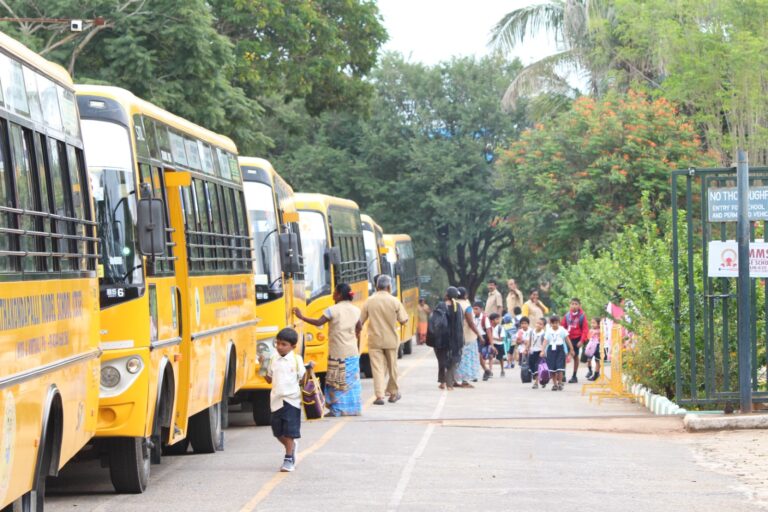
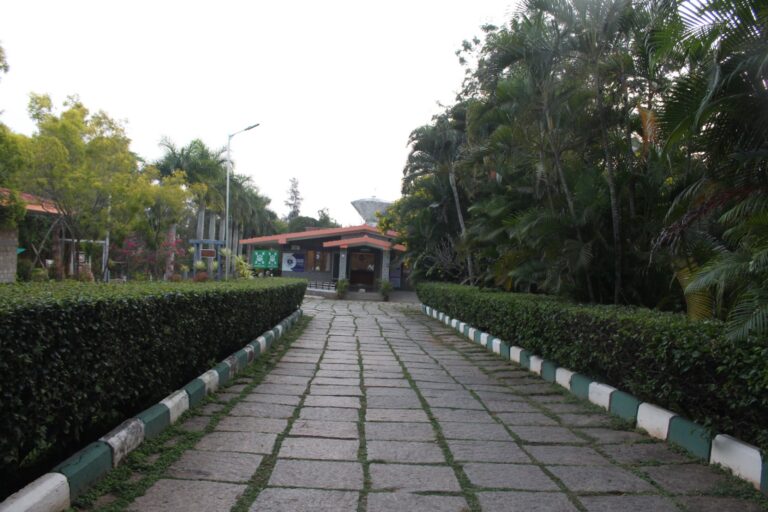
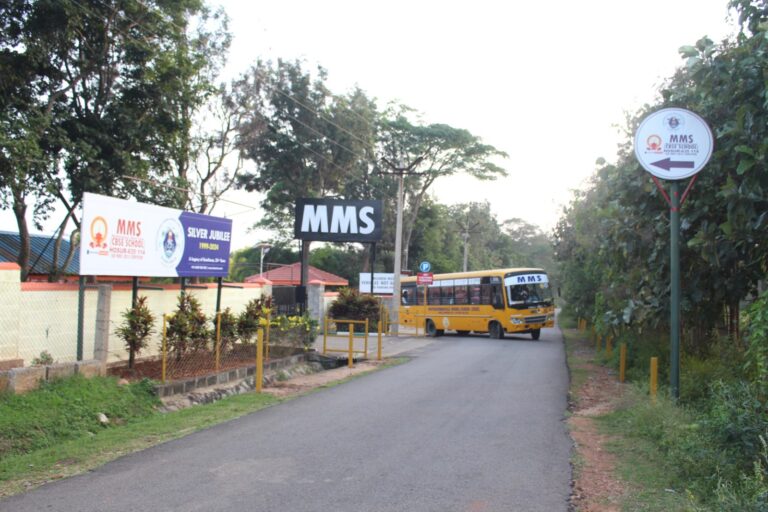
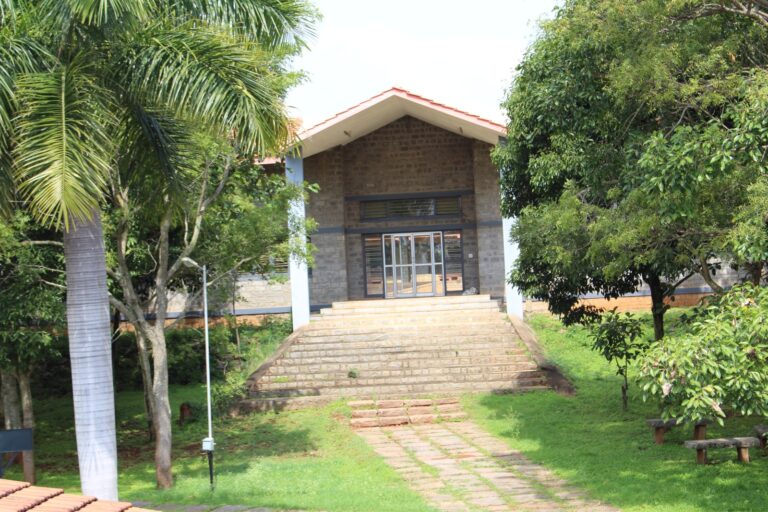
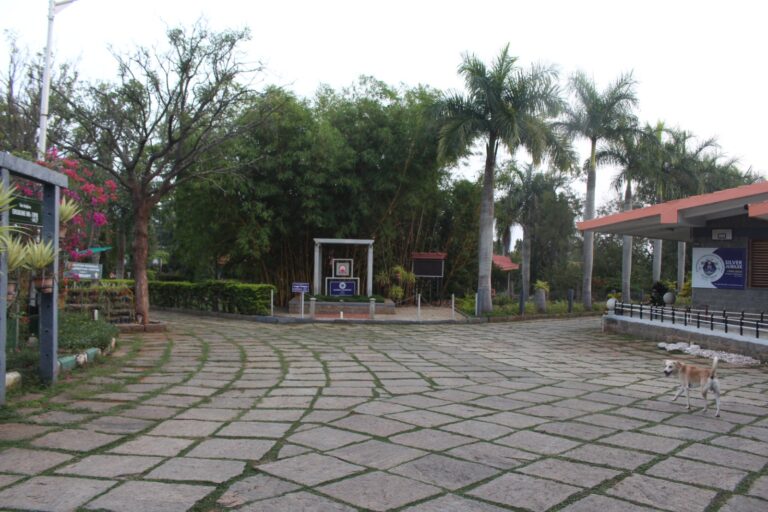
Nestled on the serene Thally Road in Mathakondapalli, just 12 km from Hosur, Mathakondapalli Model School (MMS) is not just a campus—it’s a launchpad for tomorrow’s leaders, thinkers, and innovators. For 27 years, MMS has quietly redefined what a child-centric CBSE school can achieve, blending world-class infrastructure, passionate educators, and a forward-looking curriculum to ensure every student steps into a better learning future—right here, right now.

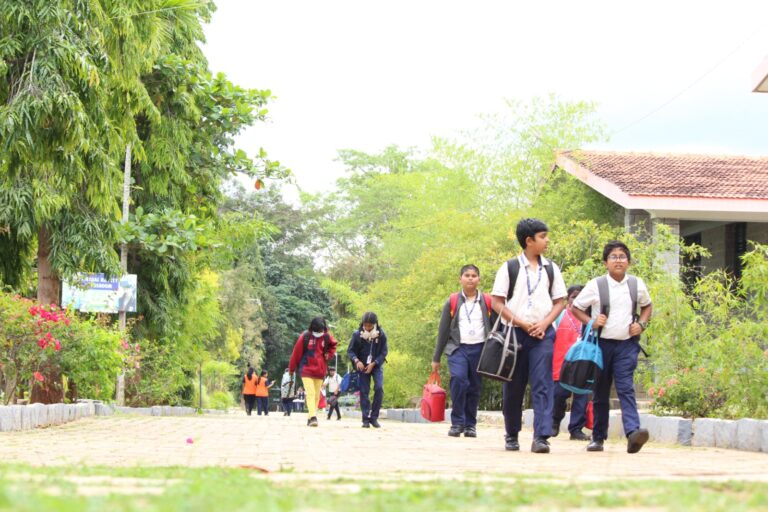
At MMS, learning is personal. With a deliberate cap of 900–1,000 students, the school guarantees individual attention, small class sizes, and a nurturing environment where no child gets lost in the crowd. This isn’t mass education—it’s precision education, tailored to unlock each student’s unique potential.

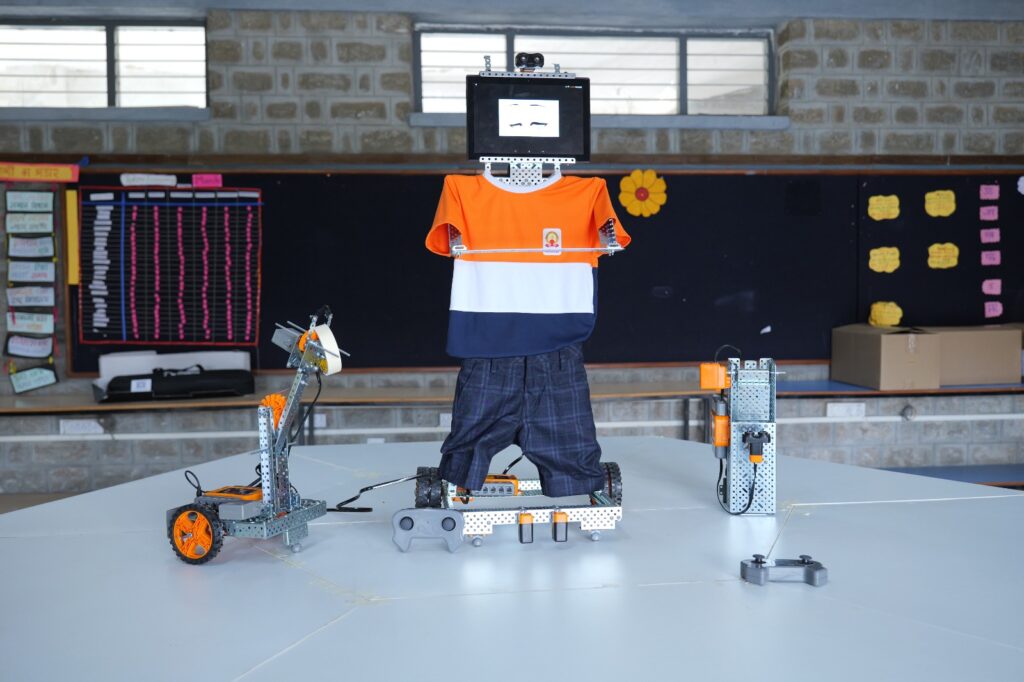
The heartbeat of this vision is the Centre of Excellence, a suite of advanced labs that go far beyond standard science rooms. Students tinker in the Robotics Lab, wire circuits in the Electrical & Electronics Lab, explore engines in the Automobile Lab, and master communication in the Language Lab. These facilities—built over and above fully equipped Physics, Chemistry, and Biology labs—turn curiosity into capability, theory into invention.

Starting 2026–27, MMS takes academic preparation to the next level by integrating NEET, JEE, and competitive exam strategies from Class 8. This isn’t extra coaching—it’s smart curriculum design, embedding high-stakes readiness into daily learning. Students don’t just study for exams; they build the mindset to excel.

Technology enhances, never replaces, human connection. Through the Educational Research, Training, and Development Unit (ERTDU), teachers receive 60+ hours of annual training, mastering AI tools, adaptive assessments, and emotional intelligence. The result? Lessons that are engaging, assessments that are fair, and feedback that is instant and insightful.

For outstation families, MMS offers safe, modern hostel facilities with 24/7 care, balanced meals, and a homely atmosphere—making quality education accessible beyond Hosur. Parents from Krishnagiri, Dharmapuri, and even Bangalore trust MMS to be their child’s home away from home.

But MMS is more than labs and hostels. It’s where students learn resilience through sports, empathy through community service, and leadership through clubs like the Monsoon Activity Group and Debate Society. It’s where Grade 10 students design e-vehicles, Grade 8 learners code their first robot, and every child leaves with a portfolio of skills, not just a marksheet.

A better learning future starts here—at a school that believes education should be joyful, rigorous, and life-ready. Whether you’re a local parent seeking excellence or an outstation family searching for trust, MMS invites you to visit, explore, and enroll.

Because at Mathakondapalli Model School, tomorrow begins today.

Visit ricemms.com | Call +91 93451 70001
ROOTED IN NATURE,
GROWING THROUGH LEARNING

WHY CHOOSE MMS?

The Best CBSE Residential Cum Day School in Hosur

1. General Enhancements

2. Enhanced Skill Development

3. Digital Skill Development Initiatives

  • Virtual Reality (VR) Classrooms: Immersive learning experience for students from Grade 1 to 12 with VR headsets and expert guidance.
  • Centre of Excellence: State-of-the-Art Laboratories- Fully equipped Robotic Lab, STEAM Lab, and English Language Lab.
  • AI-Enabled Teachmint Boards: Smart interactive boards for a collaborative learning experience.
  • Composite Skill Lab: Hands-on learning as prescribed by CBSE.
  • Industry Expert Engagement: Industry professionals providing real-world insights and mentorship.
  • Prestigious Collaborations:
    • Indian Institute of Technology – Madras
    • Indian Space Research Organization (ISRO) – Bangalore
    • Indian Institute of Science
    • Additional partnerships under negotiation
  • Specialized Academies:
    • Football Academy: Professional Football and all sports training.
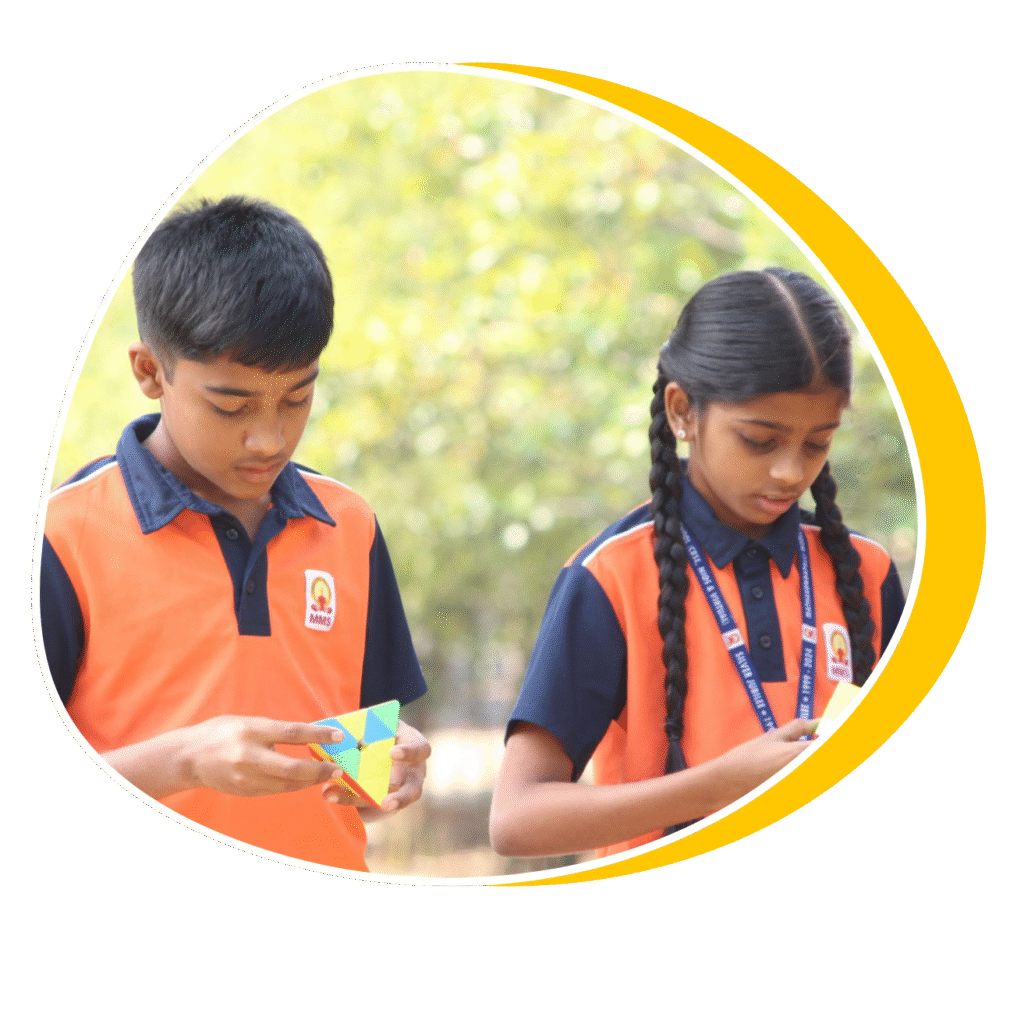
    • Cubic Club: Mastering mathematical concepts and decision-making skills.
    • Language Club, Interact Club,
  • Highly Qualified Faculty: Experts in technology, including Microsoft Innovative Experts Certified educators.
  • Education, Research, Training & Development Unit (ERTDU): Dedicated to continuous enhancement of teaching, learning, and assessment processes.
  • Customized Learning Management System (LMS): Personalized and interactive learning experiences.