
BRIDGING THE GAP: THE VITAL ROLE OF CAPACITY BUILDING FOR BUDDING EDUCATORS
The landscape of school education is no longer a static map of textbooks and chalkboards; it is a dynamic, rapidly evolving ecosystem. As B.Ed. students stand on the threshold of their professional journeys, the transition from “student” to “teacher” requires more than just a degree. It requires a robust toolkit of modern competencies.
The Changing Face of the Classroom
Today’s school education is defined by integration, integrating technology, emotional intelligence, and inclusive pedagogies. We are moving away from rote memorization toward Competency-Based Education (CBE) and Social-Emotional Learning (SEL). For a new teacher, stepping into this environment without specific “capacity building” is like trying to navigate a new city without GPS.
Why Capacity Building Cannot Wait
Capacity building programmes serve as the essential “finishing school” for teachers. Here is why they are critical for immediate success post-graduation:
- Technological Fluency: Modern classrooms utilize Learning Management Systems (LMS) and AI-driven tools. Practical workshops allow students to master these before their first day on the job.
- Adaptive Pedagogy: Understanding how to pivot a lesson plan for diverse learners is a skill best honed through simulated environments and expert-led seminars.
- Professional Resilience: New teachers often face “burnout” in their first year. Capacity building provides the mental frameworks and classroom management strategies to handle real-world pressures.
A Reflective Success: The MMS Experience
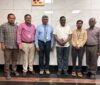
Recently, Mathakondapalli Model School, Hosur conducted a specialized capacity building programme tailored for B.Ed. college students from Cuddalore. It was an inspiring experience to work alongside these budding teachers. The energy in the room underscored a fundamental truth: passion is the engine, but preparation is the steering wheel.
During the sessions, we explored the nuances of the changing educational landscape. Watching these future educators engage with new methodologies and shift their mindsets in real-time was a testament to the power of targeted professional development. They didn’t just leave with information; they left with the confidence to start their careers the moment they stepped off the convocation stage.
The Way Forward
For B.Ed. colleges, the message is clear: the curriculum provides the foundation, but capacity building provides the infrastructure. By investing in these programmes, we ensure that our graduates aren’t just looking for jobs, they are ready to lead classrooms from Day One.
Meru
The Secretary
Rice MMS