
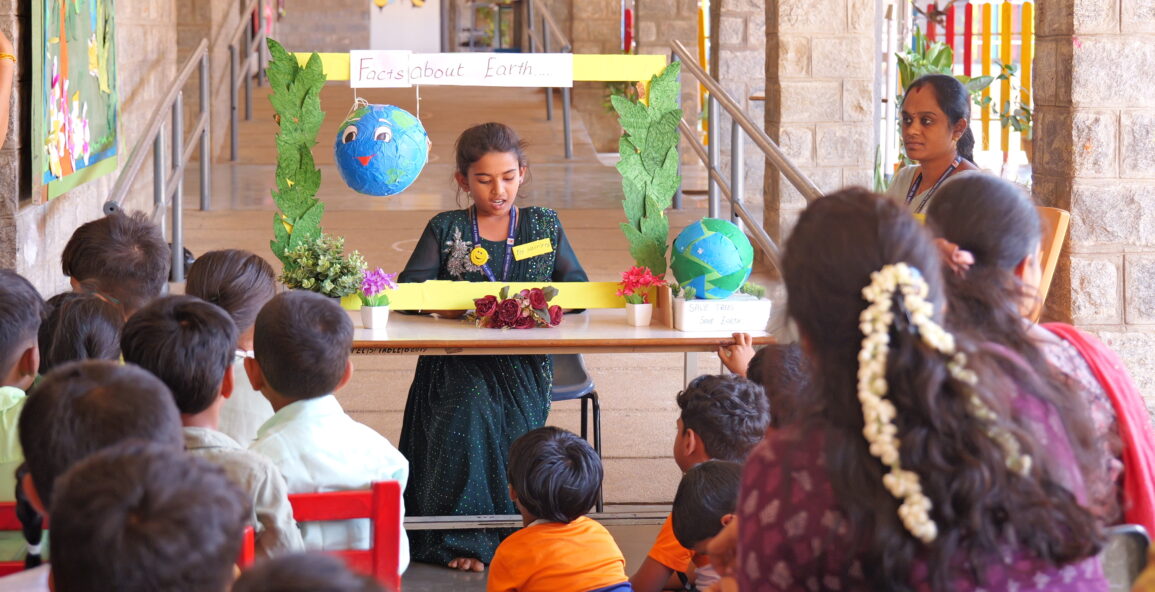
Children Learn Every Moment
Children are natural learners. Learning does not begin and end in a classroom—it flows continuously through every moment of their daily lives. Whether they are playing, speaking with friends and family, painting, building, or simply observing the world around them, children are constantly engaging with ideas, concepts, and principles that are deeply connected to what they study in school.
Learning Happens Everywhere
A simple game of catch, for example, is not just play. It introduces concepts such as gravity, force, speed, and coordination. When children mix colours while painting, they are unknowingly exploring basic ideas of chemistry and proportion. Building a sandcastle involves measurement, balance, planning, and even early geometry. Similarly, sharing toys teaches essential life skills such as communication, empathy, negotiation, and fairness. These everyday experiences are rich learning opportunities, yet they often go unnoticed.
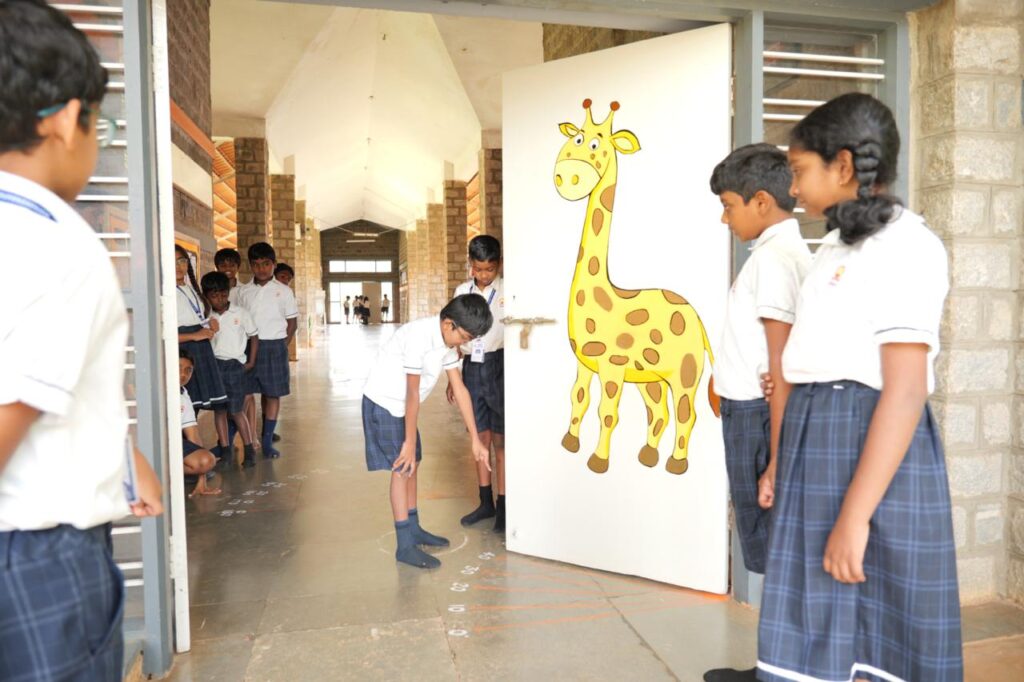
How Children Learn Naturally
Despite the fact that hundreds of such meaningful moments occur each day, they remain “invisible” because we rarely pause to recognize their educational value. Children themselves may not realize that what feels like play is actually a form of deep learning. Parents and teachers, too, may overlook these connections in the rush of academic routines and structured lessons.
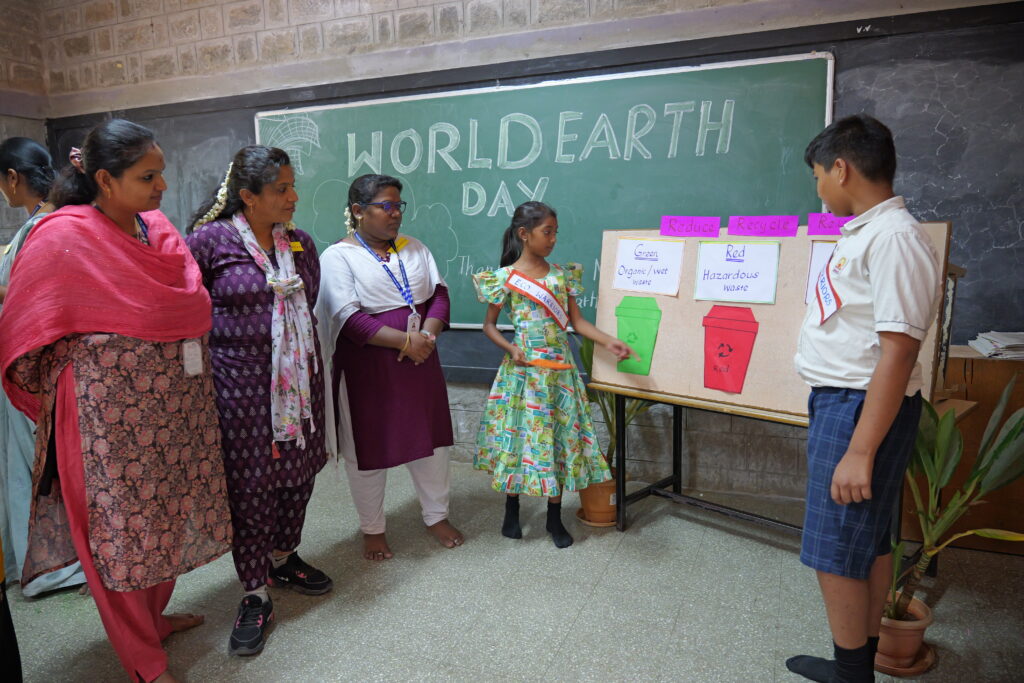
Learning Beyond the Classroom
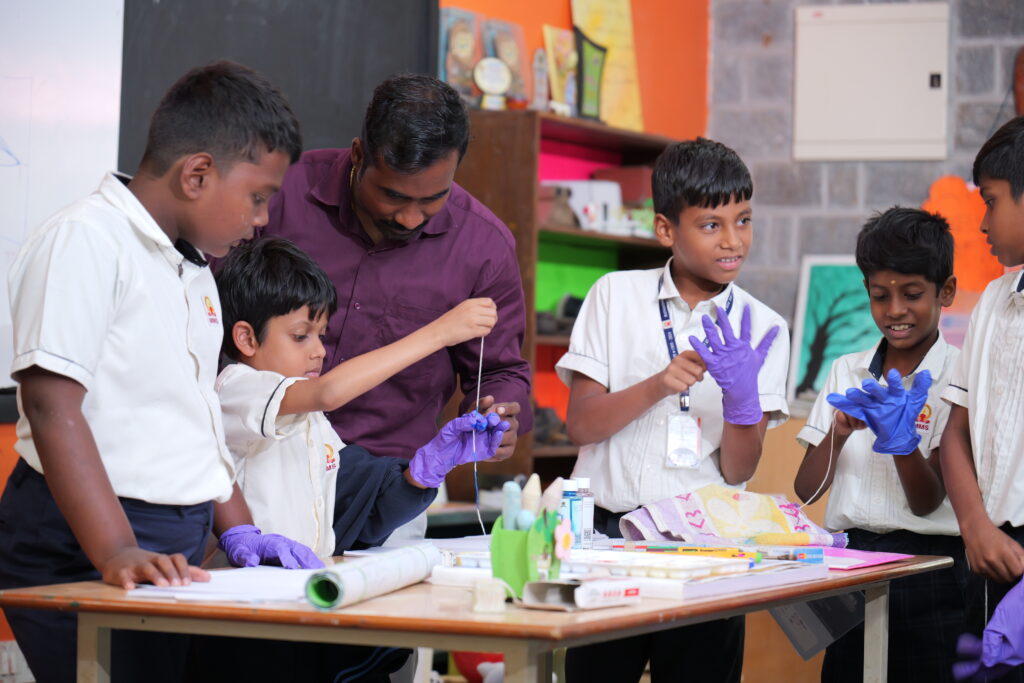
This is where conscious guidance becomes important. As responsible adults and educators, it is our role to help children become aware of the learning hidden within their daily activities. By gently connecting play with academic concepts—science in movement, mathematics in crafts, language in storytelling, and logic in problem-solving—we can help children see learning as something natural and continuous.
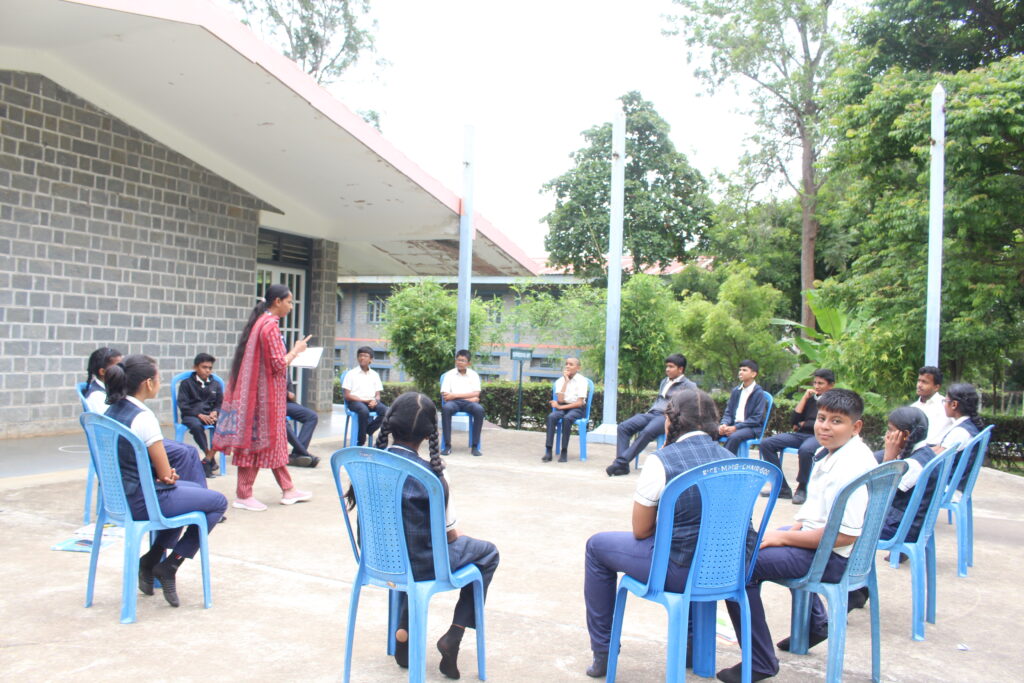
Every Moment is Learning
When children begin to understand that their favorite activities are closely linked to classroom knowledge, their attitude toward learning transforms. It becomes joyful, meaningful, and deeply engaging rather than mechanical or isolated.
Continuous Learning in Children
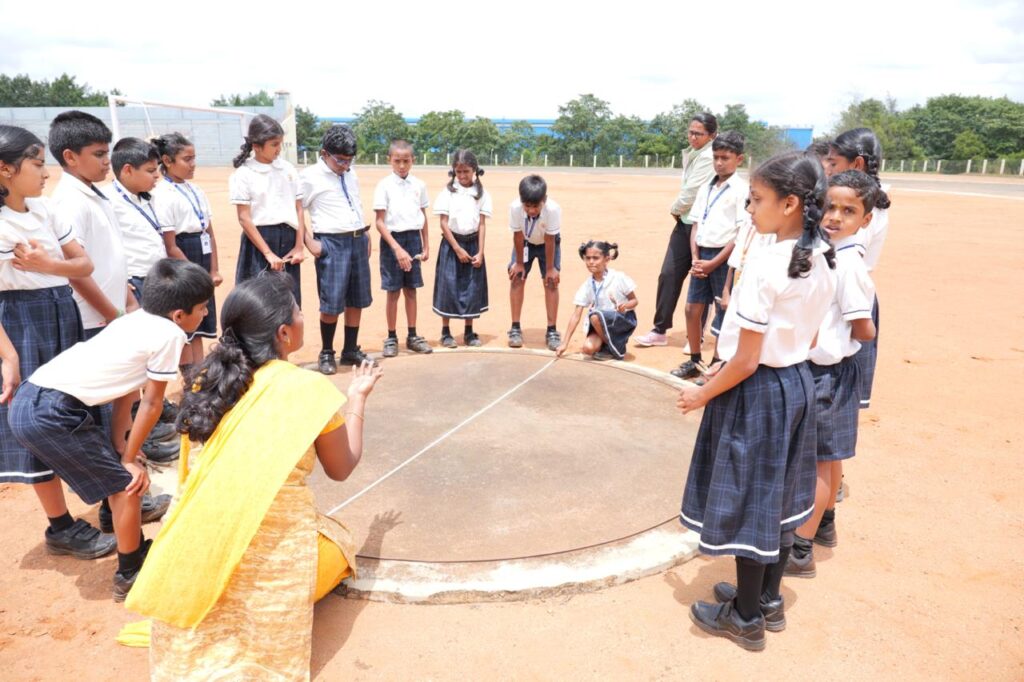
True education lies in bridging this gap between experience and understanding. It is about making the invisible visible—helping children recognize that learning is not confined to textbooks, but is present in every action, every moment, and every experience of their lives.
Learning Through Everyday Life
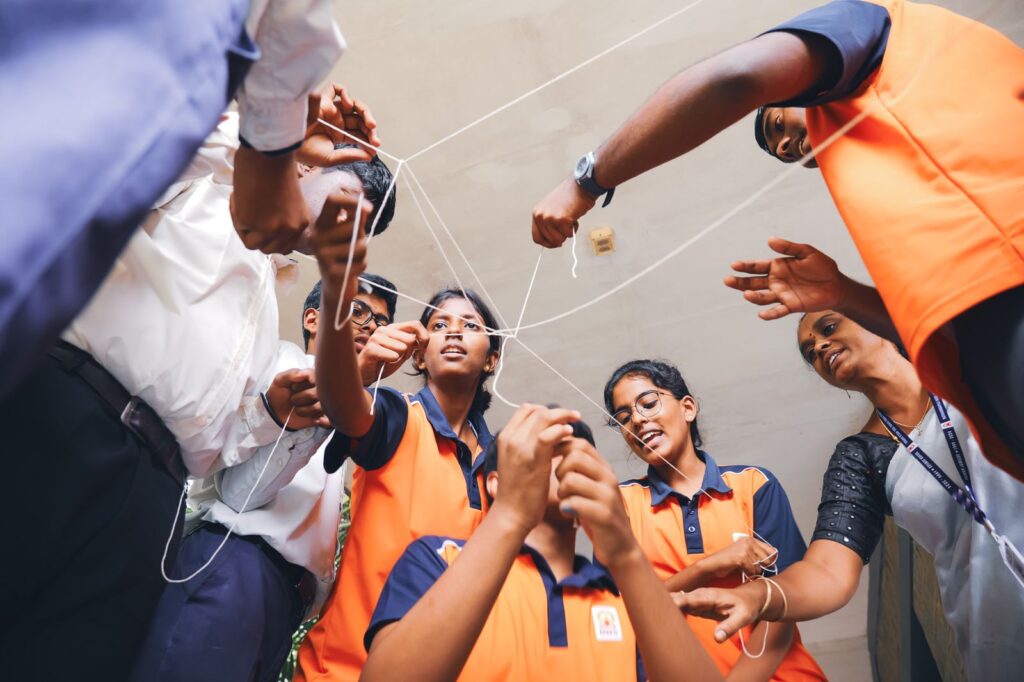
Let us commit to observing, appreciating, and connecting each small activity of a child to the larger world of knowledge. In doing so, we nurture not just educated students, but aware, curious, and thoughtful human beings.
Conclusion
Children learn continuously through every experience in their daily lives, not just within the classroom. When we recognize and connect these everyday moments with academic concepts, learning becomes more meaningful, joyful, and effective. As parents and educators, it is important to observe, guide, and encourage children to see the knowledge hidden in their play and activities. By doing so, we help them develop a deeper understanding of the world and nurture lifelong learners.