Shaping the Big Picture: Turning NEP 2020 into Reality
The recent academic reforms introduced by the Central Board of Secondary Education (CBSE) mark a decisive and long-overdue shift in how education is designed and delivered in India. Rooted firmly in the vision of the National Education Policy (NEP) 2020, the focus has moved decisively away from rote memorisation and towards developing critical thinking, creativity, and real-world problem-solving abilities. These changes span across subjects, language learning, skill development, and overall student growth, creating a more balanced, inclusive, and future-oriented curriculum. The result is an education system that aims not merely to produce graduates, but to nurture adaptable, thoughtful, and capable human beings.
Early Introduction to AI and Computational Thinking
One of the most significant and forward-looking changes is the introduction of Artificial Intelligence (AI) and Computational Thinking (CT) from the primary level. Instead of treating technology as an advanced, specialised subject reserved for higher classes, it is now being integrated gradually and age-appropriately starting from Class 3.
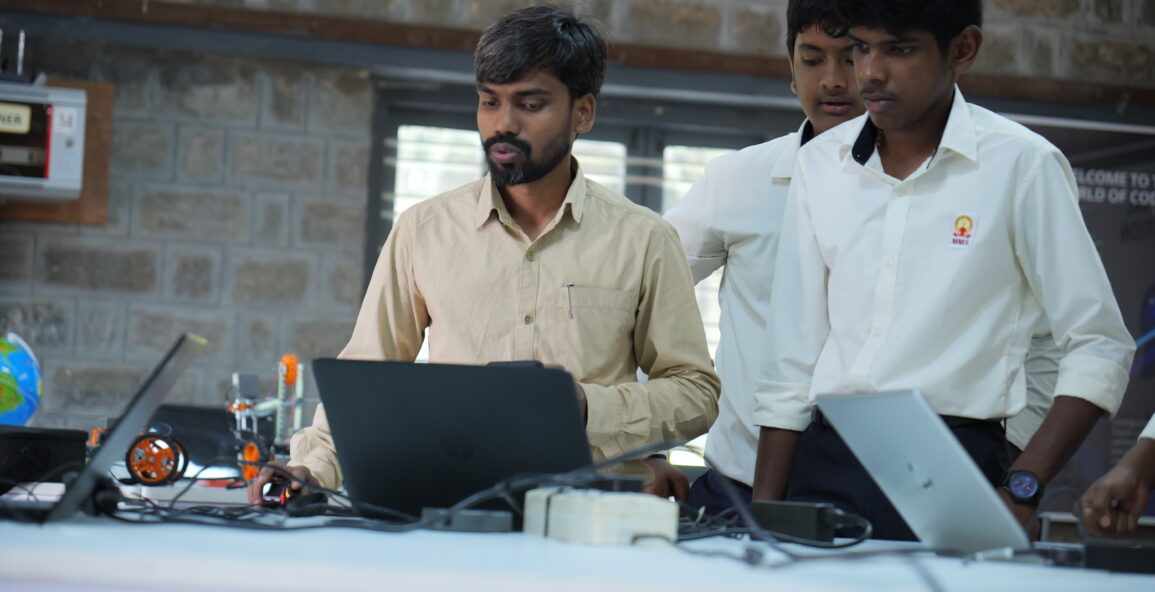
At the foundational level (Classes 3–5), students are exposed to logical thinking through puzzles, games, and activity-based learning embedded within existing subjects like mathematics and science. This demystifies technology and builds a natural comfort with structured reasoning. As they move to middle school (Classes 6–8), they begin to understand basic AI concepts—such as data patterns, algorithms, and simple models—through projects and interdisciplinary activities. By Classes 9 and 10, AI and computational thinking become compulsory, ensuring every student gains a working understanding of the technologies reshaping the world. At the senior secondary level, students can choose advanced AI subjects as electives, aligning their learning with future career paths in data science, robotics, and automation. This step positions students to be active participants and innovators in a technology-driven world, rather than passive consumers.

Reinforcing Multilingual Learning Without Compromise
Language education has also been restructured to strengthen linguistic diversity and cultural awareness while maintaining global readiness. From Class 6 onwards, students are now required to study three languages, with at least two being Indian languages. This policy breathes new life into regional languages such as Tamil, Telugu, Marathi, Odia, or Bengali, which have often been sidelined in favour of English and Hindi.
This approach promotes multilingual cognitive benefits—including better problem-solving and mental flexibility—while also helping students stay connected to their cultural roots. English continues to remain an integral part of the system, ensuring that global communication skills are not compromised. The phased implementation, with clear guidelines and support materials, ensures students adapt gradually without experiencing undue academic pressure. The goal is a truly multilingual graduate who can navigate local communities and international boardrooms with equal ease.
Flexible Learning Through Two-Level Subjects
Recognising that students have different strengths, interests, and aspirations, CBSE has introduced two levels of difficulty in Mathematics and Science from Class 9 onwards. All students take a standard-level examination that ensures foundational competency. However, those who are genuinely interested in pursuing advanced studies in engineering, medicine, or pure sciences can opt for an additional higher-level paper.
This dual-level system reduces unnecessary psychological pressure on students who may not excel in abstract mathematical or scientific concepts, while still providing ample challenge and depth for those who wish to push themselves academically. It is a nuanced solution to the one-size-fits-all problem that has plagued Indian education for decades, allowing each child to learn at an appropriate pace without being labelled or left behind.
Skill, Art, and Vocational Education as Core Components
Perhaps the most transformative change is the elevation of skill-based learning from an optional add-on to an essential part of the core curriculum. From Classes 6 to 8, students are introduced to practical skills through structured programmes conducted in classrooms—ranging from basic carpentry and gardening to digital literacy and financial planning. At higher levels, students can choose from a wide range of skill subjects such as Information Technology, Artificial Intelligence, Multimedia, Financial Literacy, Cybersecurity, and more. These subjects are designed to bridge the perennial gap between theoretical knowledge and real-world application, making students genuinely career-ready.
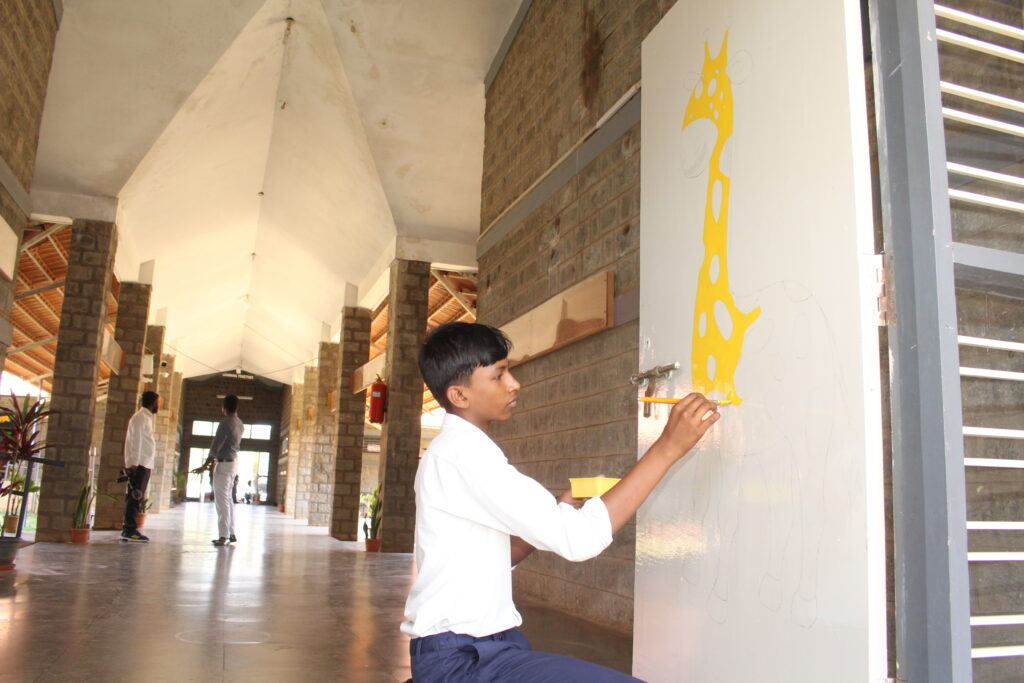
In parallel, art education has gained new importance. It is now recognised as an essential element of holistic development rather than a mere extracurricular activity. With dedicated learning materials and structured assessments, students are encouraged to explore creativity, expression, and cultural understanding through visual arts, music, dance, and theatre. Similarly, vocational education has been embedded into the curriculum to provide early exposure to career pathways. Schools are now expected to offer structured vocational programmes supported by trained educators and proper infrastructure, ensuring students develop practical skills alongside academic knowledge.
Physical Well-Being and Life Skills
Physical Education has evolved into a comprehensive subject focused on overall well-being. Instead of being limited to competitive sports or drill routines, it now includes fitness, mental health, teamwork, and lifestyle management. Students are assessed based on participation, improvement, and personal growth rather than theoretical exams. Activities such as yoga, fitness tracking, and team sports help students understand the importance of maintaining both physical and emotional balance—skills that serve them long after graduation.
Finally, modern education goes beyond textbooks. CBSE has strengthened the inclusion of life skills and values across the curriculum. Areas such as digital literacy, financial awareness, health education, road safety, environmental responsibility, and active citizenship are now integrated into everyday learning. These components aim to shape responsible, informed, and socially aware individuals who are prepared not just for exams, but for life itself.
Conclusion
Overall, the transformation in academics and curriculum reflects a clear, coherent shift toward holistic, flexible, and skill-oriented education. By combining traditional knowledge with modern competencies, CBSE is creating a system that prepares students for both higher education and the rapidly changing world beyond the classroom. The success of this ambitious vision will depend on effective implementation, teacher training, and adequate infrastructure. Nevertheless, the direction is unmistakable: India’s classrooms are being redesigned to nurture thinkers, creators, and problem-solvers for the twenty-first century.
ERTDU-MMS