What They Mean for Schools, Students, and Parents
Introduction:
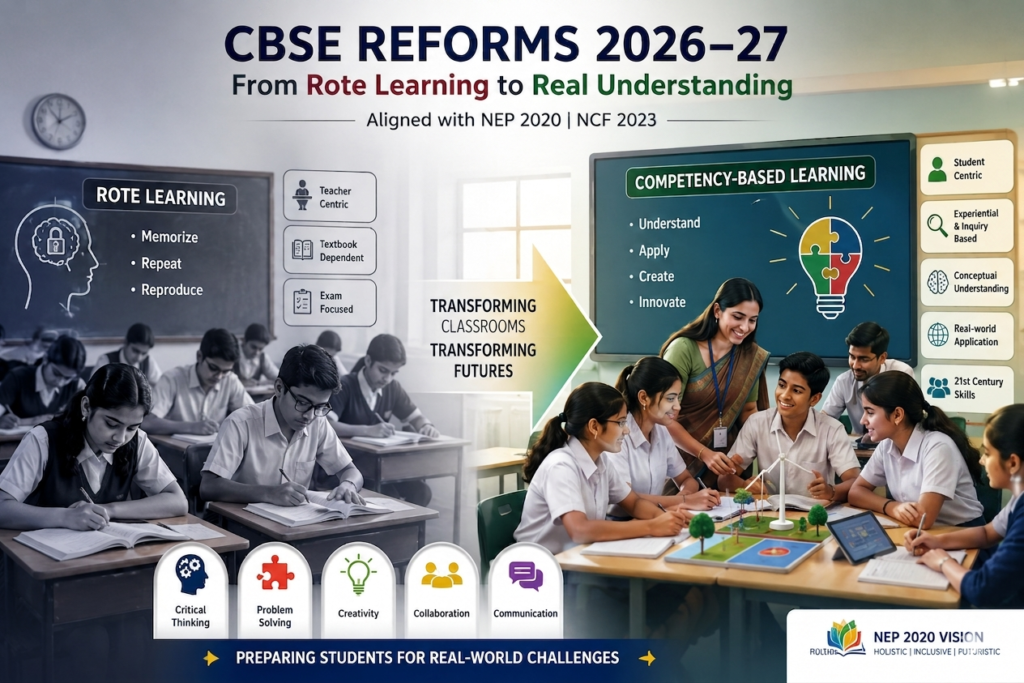
The Central Board of Secondary Education (CBSE) is entering a transformative phase in the academic year 2026–27. These changes are not isolated updates; they are part of a broader national shift aligned with the vision of the National Education Policy (NEP) 2020 and the National Curriculum Framework (NCF) 2023. The focus is clear: moving from rote learning to meaningful, competency-based education that prepares students for real-world challenges.
At their core, these reforms aim to redefine what it means to “learn” in a CBSE classroom. The emphasis is no longer on how much content a student can reproduce, but on how effectively they can understand, apply, and extend that knowledge.
A Shift Towards Competency-Based Learning:
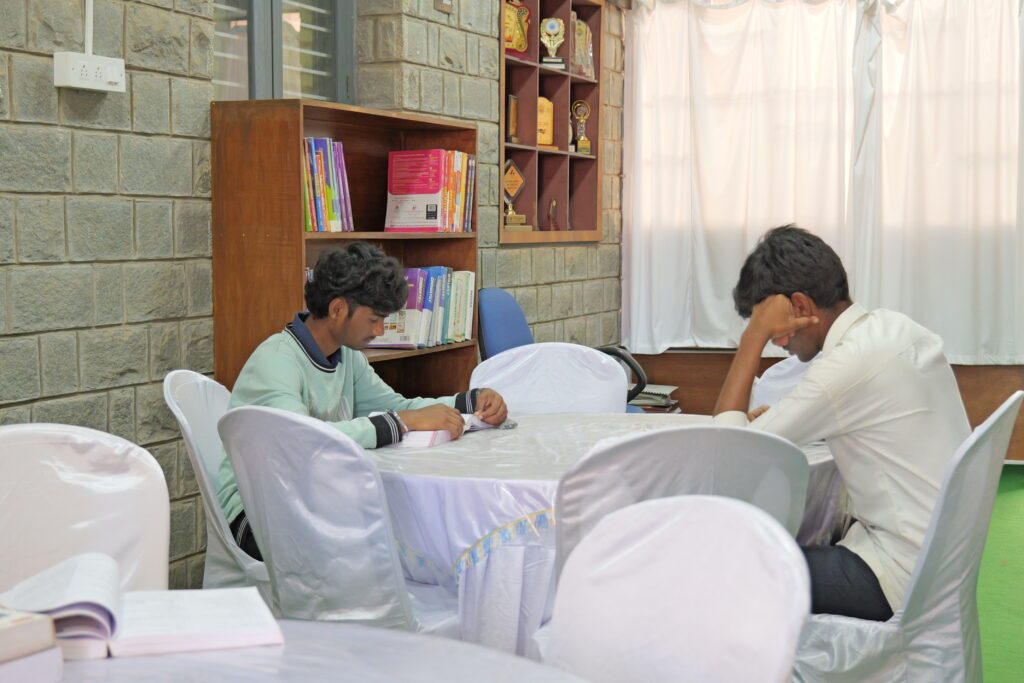
One of the most significant changes is the increasing emphasis on competency-based education. CBSE is restructuring curriculum and assessment to prioritize conceptual clarity, critical thinking, and application skills.
Integration of AI & Computational Thinking
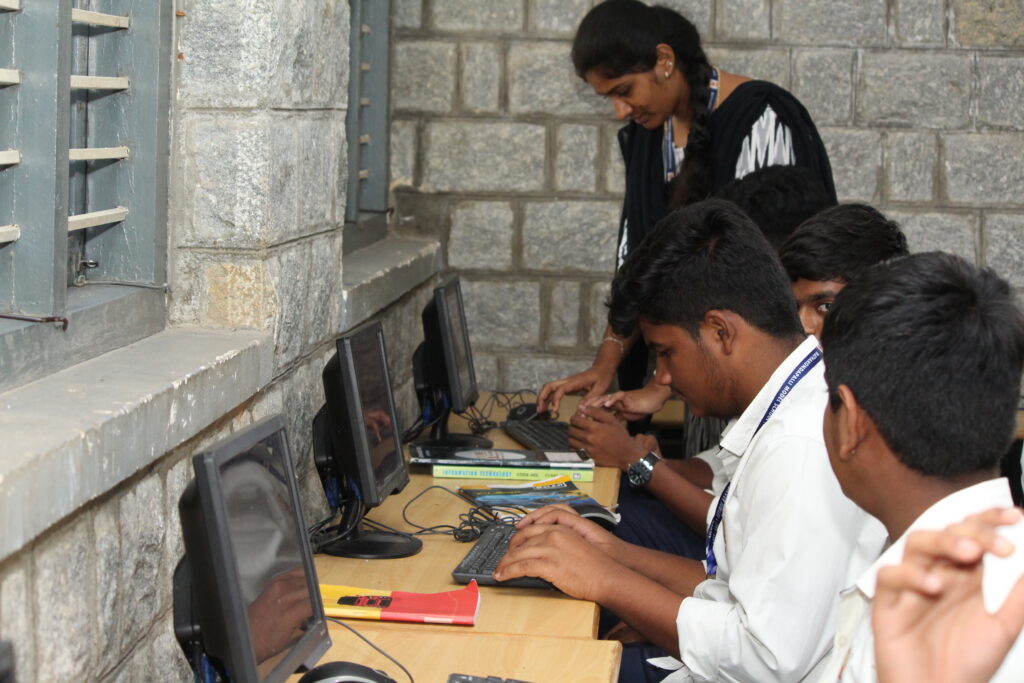
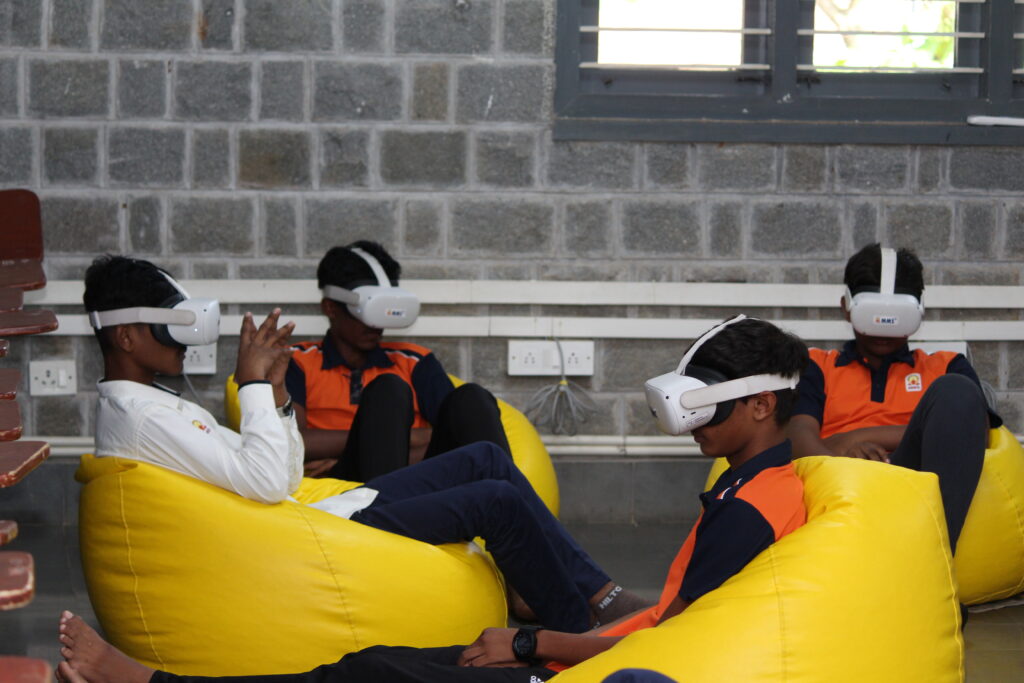
Introduction of Artificial Intelligence (AI) and Computational Thinking (CT) from the middle school level.The intent is to equip learners with the ability to navigate an increasingly digital world. However, the real success of this initiative depends on how effectively these concepts are integrated into everyday learning rather than taught in isolation.
Flexible Examination System
CBSE is introducing a more flexible approach to board examinations, particularly for Class X. Students will have the opportunity to appear for board exams twice a year, with the best score being considered.
This approach aims to:
• Reduce exam-related stress
• Provide students with a second opportunity for improvement
• Encourage mastery rather than one-time performance
Expansion of Skill-Based Education
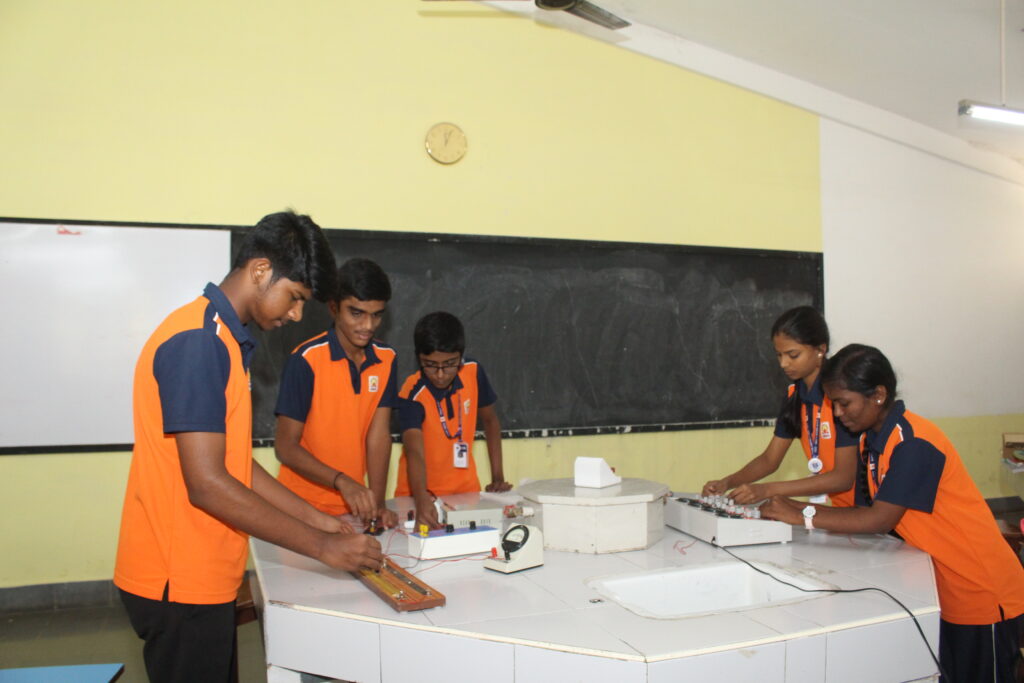
Skill-based learning is being strengthened across classes, especially in the middle and secondary stages. Subjects such as Artificial Intelligence, Design Thinking, and vocational education are gaining prominence.
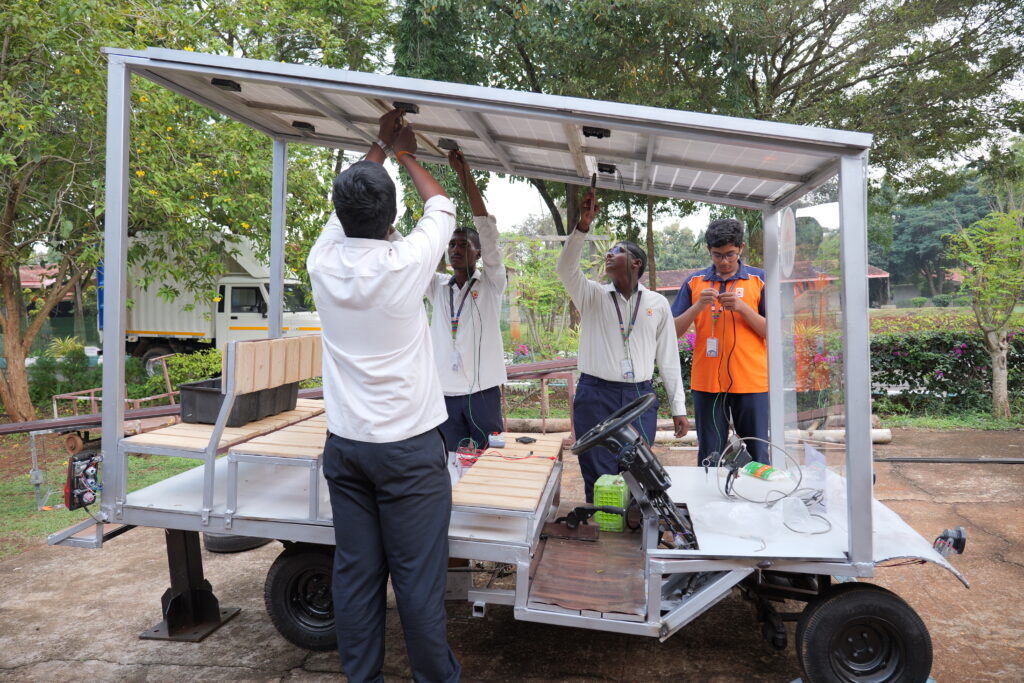
Develop practical, hands-on skills
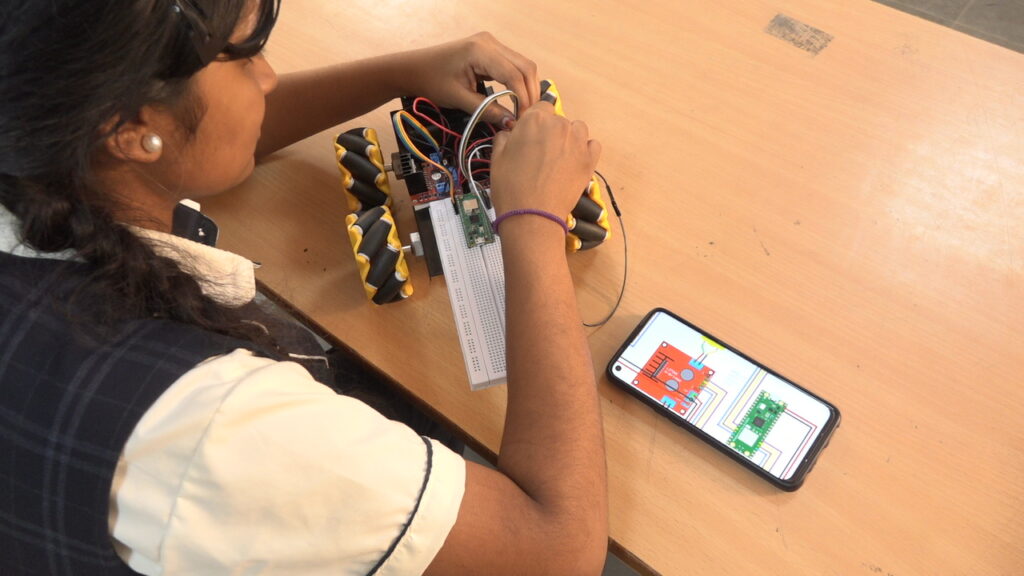
Become future-ready with employable competencies
Changes in Assessment and Evaluation
Assessment systems are also undergoing important modifications. CBSE is increasing the weightage of internal assessments and promoting diverse evaluation methods such as projects, portfolios, and practical work.
Additionally, technological interventions like on-screen marking are being implemented to improve transparency and consistency in evaluation. These changes place a greater responsibility on schools to ensure that internal assessments are conducted fairly, systematically, and with clear evidence of student learning.
Curriculum Flexibility and Choice
CBSE is also moving towards offering flexibility in subject levels, especially in areas like Mathematics and Science. Students may have options to choose between different levels based on their interests and future academic plans. Such flexibility, if implemented effectively, can help reduce academic pressure while supporting individual growth.
Alignment with New NCERT Textbooks
The rollout of new NCERT textbooks aligned with NCF 2023 is another important development. The focus is on making learning more engaging, relevant, and meaningful. However, the effectiveness of these textbooks depends largely on how teachers use them in the classroom.
• Inquiry-based learning
• Real-life connections
• Activity-oriented approaches
Strengthening School Systems
Beyond curriculum and assessment, CBSE is also strengthening institutional practices.
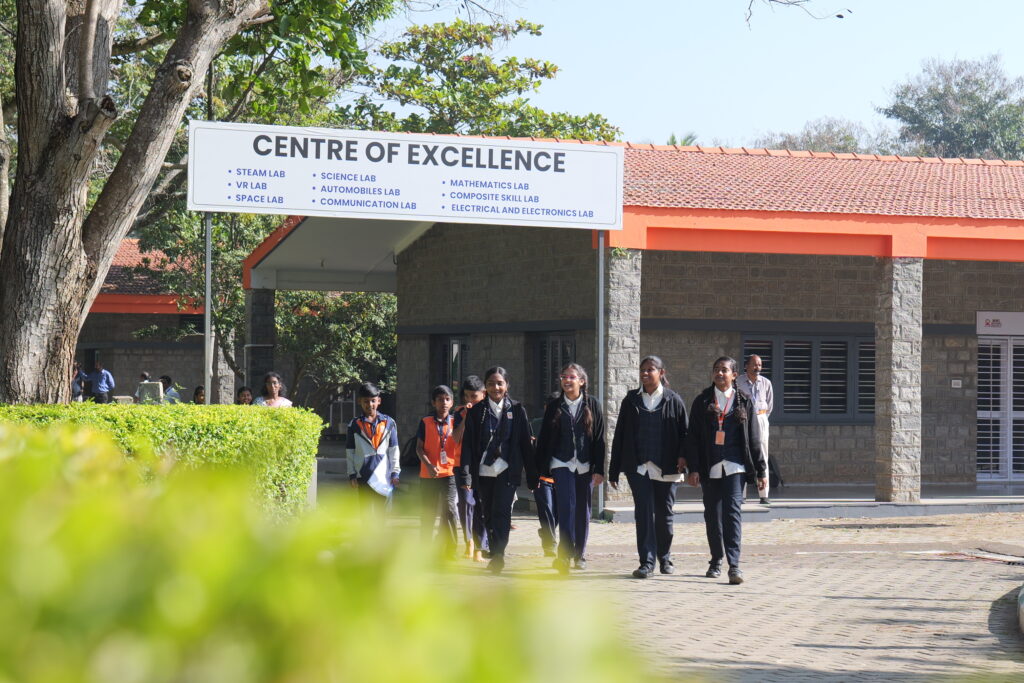
Establish composite skill labs
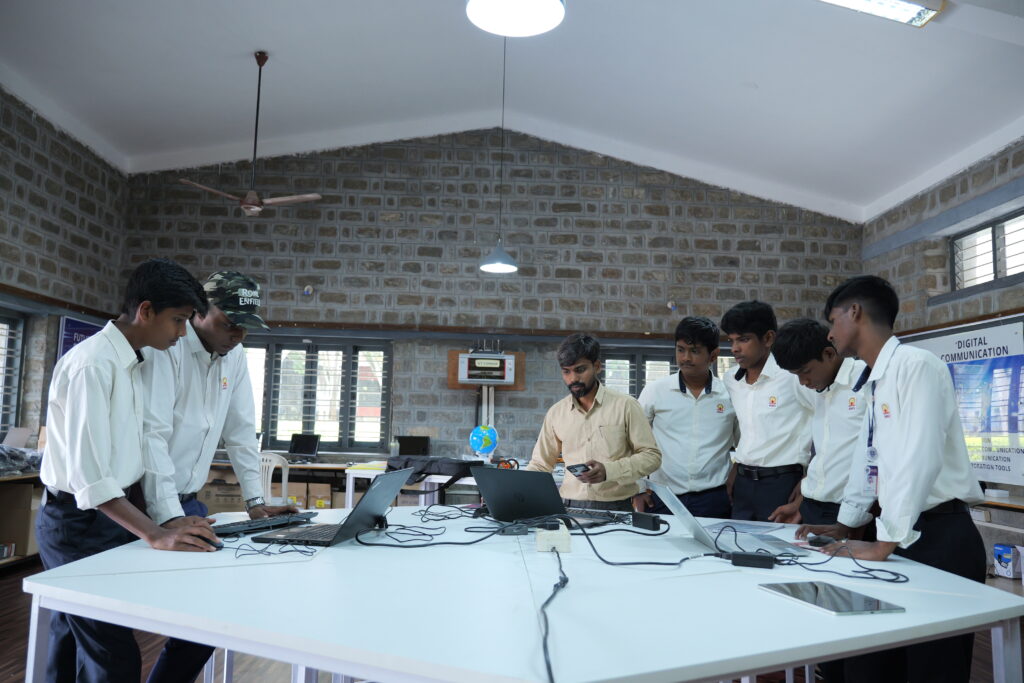
These measures aim to create a supportive learning environment that addresses both academic and emotional needs of students.
What This Means for Schools
For schools, these changes are not just about compliance; they require a shift in mindset. Teaching methods, assessment practices, and even classroom culture need to evolve.
Schools must focus on:
• Training teachers in competency-based pedagogy
• Designing meaningful learning experiences
• Ensuring transparency in assessment
• Integrating technology effectively
The transition may be challenging, but it is essential for delivering quality education that aligns with national and global expectations.
Conclusion
The CBSE reforms for the academic year 2026–27 represent a significant step towards building a more flexible, skill-oriented, and student-centered education system. While the framework is progressive, its success ultimately depends on how well it is implemented at the school level.
For students, these changes open new opportunities for deeper learning and personal growth. For parents, they offer reassurance that education is evolving to meet future demands. For schools, they present both a challenge and an opportunity—to move beyond traditional practices and truly transform the learning experience.
As education continues to evolve, the focus must remain on one fundamental goal: enabling every child to learn meaningfully, think independently, and grow into a confident, capable individual ready for the future.