Reimagining Learning Beyond Syllabus Completion: Some Implications for Schools (K–12)
Introduction
For decades, school education has largely been measured by one dominant metric: syllabus completion followed by examination performance. While this approach has ensured curricular uniformity, it has also unintentionally narrowed the purpose of schooling to memorization and reproduction of information. In the context of rapid technological change, global competition, and evolving societal needs, this model is no longer sufficient. Schools today must consciously transition from content-heavy, rote-driven instruction to inquiry-oriented, competency-based learning that prepares students for real-world challenges.
The National Education Policy (NEP) 2020 clearly articulates this shift, emphasizing conceptual understanding, critical thinking, creativity, and problem-solving. For K–12 schools, this transformation carries deep implications for pedagogy, assessment, teacher roles, and curriculum integration.
From Syllabus Completion to Inquiry-Based Learning
An excessive focus on completing the syllabus often leads to rushed teaching, surface-level understanding, and increased stress for both teachers and students. When the goal becomes “finishing portions,” curiosity, questioning, and exploration are sidelined. Students may memorize definitions and formulas, but struggle to explain concepts, apply knowledge, or think independently.
Inquiry-based learning reverses this trend. It places students at the center of the learning process, encouraging them to ask questions, investigate phenomena, and construct meaning through exploration. In such classrooms, learning is not a passive transfer of information but an active intellectual engagement. Students learn why a concept works, not just what the answer is.
For schools, this means redesigning classroom practices to allow time for questioning, discussion, experimentation, and reflection. Depth of understanding must be valued over speed of coverage. This shift also fosters intellectual confidence and nurtures a genuine love for learning.
Embedding Project-Based and Experiential Learning
Inquiry must translate into concrete pedagogical practices. One of the most effective ways to achieve this is through Project-Based Learning (PBL) and experiential learning. These approaches allow students to engage with real-world problems that cut across subject boundaries.
Well-designed projects integrate concepts from Science, Mathematics, Social Science, Languages, and Technology. For example, a project on water conservation can involve scientific investigation, data analysis, social awareness, and communication skills. Such learning experiences help students see knowledge as interconnected rather than fragmented into isolated subjects.
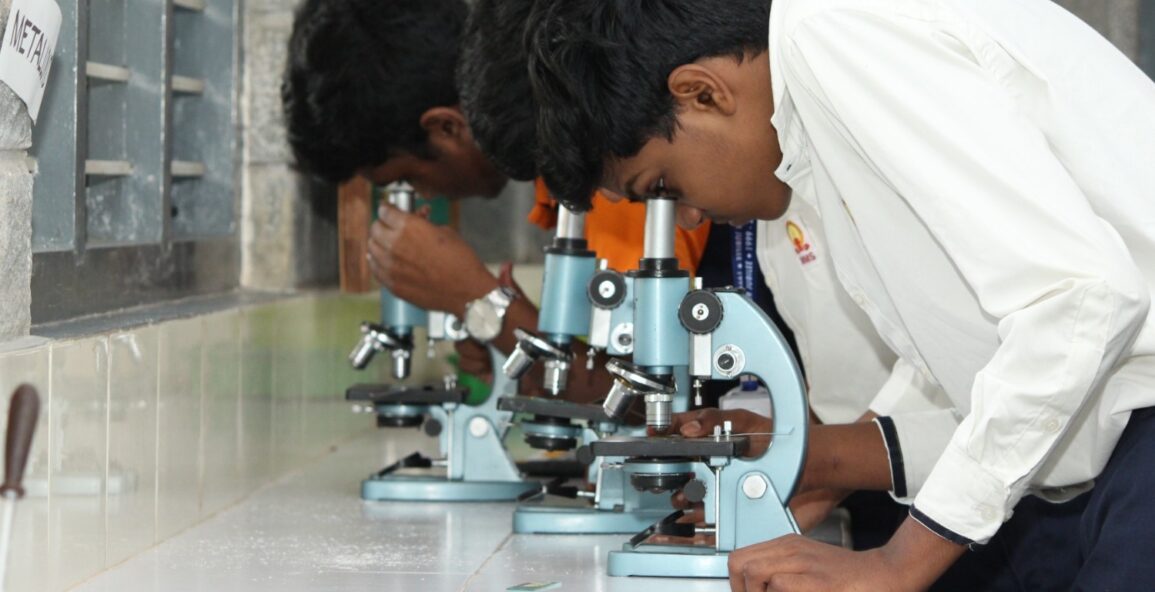
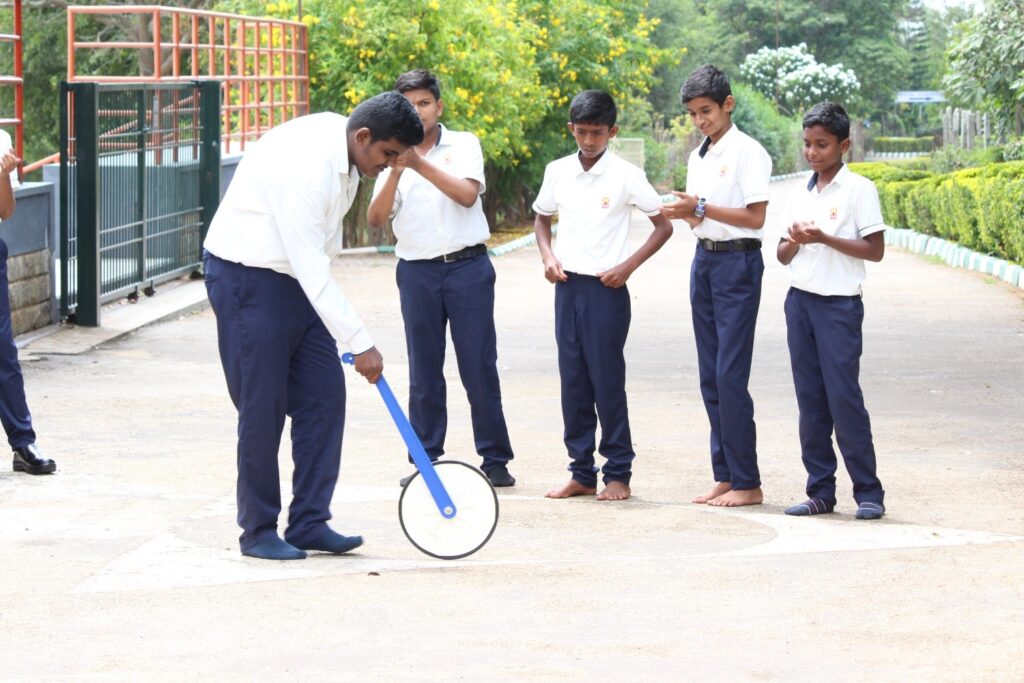
Experiential learning through experiments, field visits, simulations, models, and hands-on activities bridges the gap between theory and practice. Students do not merely read about concepts; they experience them. This leads to better retention, deeper understanding, and stronger application skills.
Equally important is the emphasis on data interpretation and problem-solving. Students must be exposed to age-appropriate data sets, graphs, observations, and real-life scenarios that require analysis and reasoning. These skills are foundational for higher education, competitive examinations, and informed citizenship.
Early Exposure to Research Thinking
Research thinking should not be confined to universities and doctoral programmes. Schools play a crucial role in laying its foundation. Introducing research-oriented thinking at an early age helps students develop logical reasoning, evidence-based judgment, and intellectual discipline.
At the school level, research skills can be introduced in simple, structured ways:
Observation: Training students to notice patterns, changes, and details
Hypothesis framing: Encouraging predictive thinking “What do I think will happen and why?”
Evidence collection: Gathering data through experiments, surveys, or measurements
Reflection and presentation: Interpreting results and communicating findings clearly
As students progress through grades, these skills can be gradually scaffolded in complexity. This process nurtures analytical thinking and helps students understand that knowledge is constructed through inquiry and evidence, not memorization.
Aligning Assessment with Competencies
Assessment is one of the most powerful drivers of classroom practice. If examinations reward rote learning, teaching will inevitably follow that path. Therefore, one of the most significant implications for schools is the need to align assessments with competency-based outcomes.
Competency-based assessment focuses on understanding, application, analysis, and synthesis rather than recall alone. Projects, portfolios, presentations, experiments, and reflective writing provide richer and more authentic evidence of learning. Such assessments also reduce exam-related anxiety and encourage continuous engagement rather than last-minute preparation.
Aligning assessments with competencies ensures that students are evaluated on what truly matters: their ability to think, apply, and solve problems. This approach is also consistent with the vision of PARAKH and CBSE’s ongoing examination reforms.
Teacher Capacity Building: From Content Deliverers to Facilitators
Teachers are central to this transformation. Inquiry-driven education requires a shift in the teacher’s role—from being the sole source of information to becoming a facilitator, mentor, and guide. This transition cannot happen without sustained and structured professional development.
Teachers must be equipped with skills in:
- Inquiry-based and project-based pedagogy
- Questioning strategies that promote higher-order thinking
- Classroom facilitation and student engagement
- Documentation of learning processes and outcomes
- Reflection and evidence-based instructional practices
When documentation and reflection become routine, teaching quality improves significantly. It allows teachers to evaluate what worked, what did not, and why. For schools, this also creates a strong evidence base for academic review, accreditation, and continuous improvement.
Linking School Learning to National Priorities
School education must also be future-oriented and socially relevant. Integrating national and global priority themes such as energy, environment, health, artificial intelligence, sustainability, and materials science provides meaningful contexts for learning.
These themes naturally lend themselves to interdisciplinary projects and inquiry-based exploration. They help students understand the relevance of their learning to societal challenges and national development. Early exposure to such themes encourages responsible citizenship, innovation, and ethical awareness.
Conclusion
The implications for K–12 schools are clear and compelling. Moving beyond syllabus completion towards inquiry-driven, competency-based education is no longer optional it is essential. By embedding project-based and experiential learning, nurturing research thinking, aligning assessments with competencies, empowering teachers, and connecting learning to national priorities, schools can create transformative learning environments.
Such schools do not merely prepare students for examinations; they prepare them for life. They cultivate thinkers, problem-solvers, and responsible citizens who are equipped to navigate complexity, contribute meaningfully to society, and continue learning throughout their lives.
ERTDU